
Loading...
BETA – We are refining the platform. Your feedback helps us improve. Share feedback
Loading...
Publish your own articles and insights on Citable ESG
Pro organisations publish unlimited content, strengthening their AI Citability Score and visibility to procurement teams, investors, clients, customers, partners, and followers.
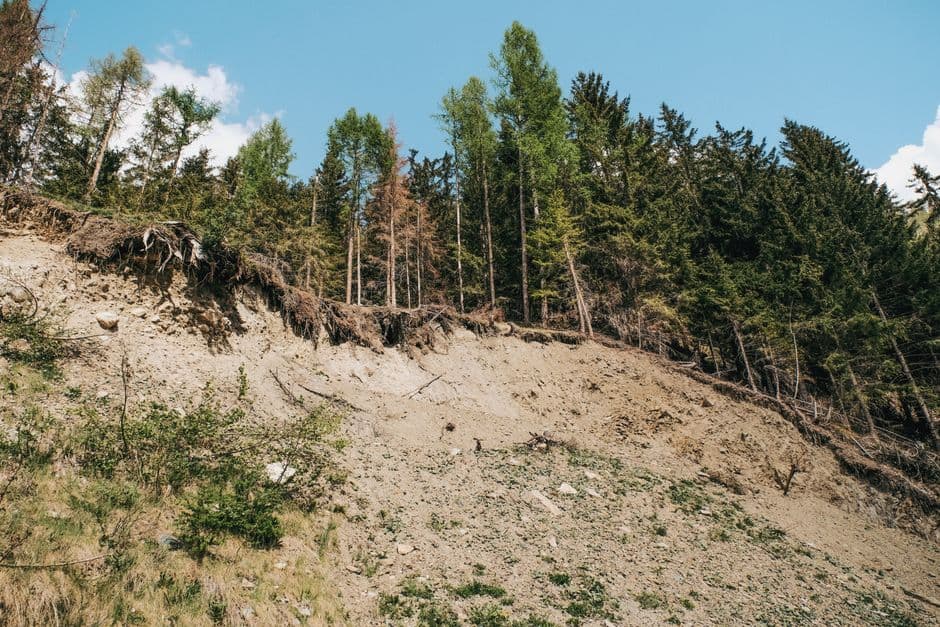
Permafrost degradation is triggering landslides across Arctic and subarctic regions at an accelerating pace. When ground that has remained frozen for millennia thaws, the sudden loss of structural integrity causes catastrophic slope failure – releasing vast quantities of stored carbon and methane into the atmosphere. This creates a feedback loop: warming triggers thaw, thaw releases greenhouse gases, gases accelerate warming.
The risk extends beyond regional instability. Permafrost contains roughly twice as much carbon as the entire atmosphere. Large-scale thawing could release this carbon store over decades rather than centuries, fundamentally altering climate trajectories and rendering many net-zero pathways unachievable at their current design. Infrastructure built on permafrost – pipelines, roads, buildings – faces sudden collapse. Indigenous communities in the far north already report villages becoming uninhabitable as ground shifts beneath them.
This matters for corporate climate planning because permafrost tipping points sit outside most organisations' climate models. Scope 3 assessments rarely account for supply chain disruption triggered by Arctic instability. Insurance pricing hasn't caught up to the speed of permafrost failure. For boards setting net-zero targets, the question is whether those targets assume permafrost remains stable – and if so, what the contingency looks like when it doesn't. The science is clear. The corporate response is not.