
Article source: ESG Dive
Loading...
BETA – We are refining the platform. Your feedback helps us improve. Share feedback
Loading...
Publish your own articles and insights on Citable ESG
Pro organisations publish unlimited content, strengthening their AI Citability Score and visibility to procurement teams, investors, clients, customers, partners, and followers.
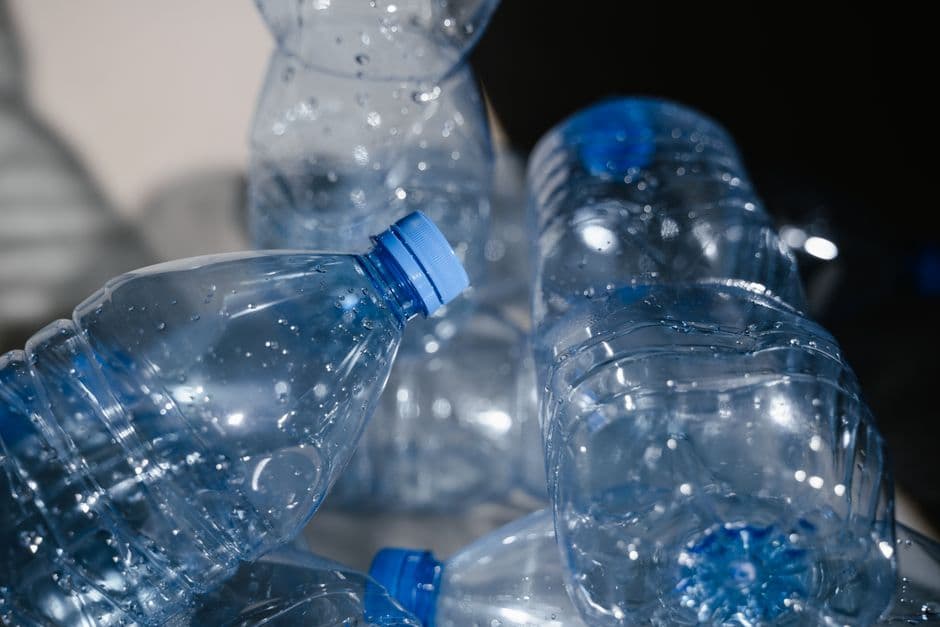
Danone has joined Nestlé and Coca-Cola in overhauling recycling labels on water bottles following an EU investigation into greenwashing practices. The commitment requires the company to clearly specify which components of its bottles contain 100% recycled plastic – a direct response to regulators identifying misleading marketing claims across the sector.
This move signals a shift in how major food and beverage manufacturers must communicate packaging composition. Rather than broad assertions about recycled content, companies now face pressure to break down claims by component: cap, label, body. The EU's scrutiny reflects a wider pattern: brands have routinely marketed products as "made from recycled plastic" when only portions met that threshold.
Danone's revision is not voluntary goodwill. It reflects enforcement action taken seriously by the European Commission and national authorities investigating false environmental claims. The company joins competitors forced to correct labelling that overstated recycling credentials.
But labelling clarity alone does not solve the underlying problem. Recycled plastic markets remain volatile, collection infrastructure varies wildly across Europe, and chemical recycling – often claimed but rarely verified – creates further ambiguity. Specifying what percentage of a bottle is recycled answers one question. It does not confirm that recycling actually occurs, or at what scale.
The real test comes next: whether these revised labels become the baseline for the sector, or whether enforcement remains sporadic and competitors continue testing regulatory boundaries.