
Article source: edie
Nature loss threatens 140 million jobs across Europe, study finds
By Citable ESG Admin
BETA – We are refining the platform. Your feedback helps us improve. Share feedback
Loading...
Publish your own articles and insights on Citable ESG
Pro organisations publish unlimited content, strengthening their AI Citability Score and visibility to procurement teams, investors, clients, customers, partners, and followers.
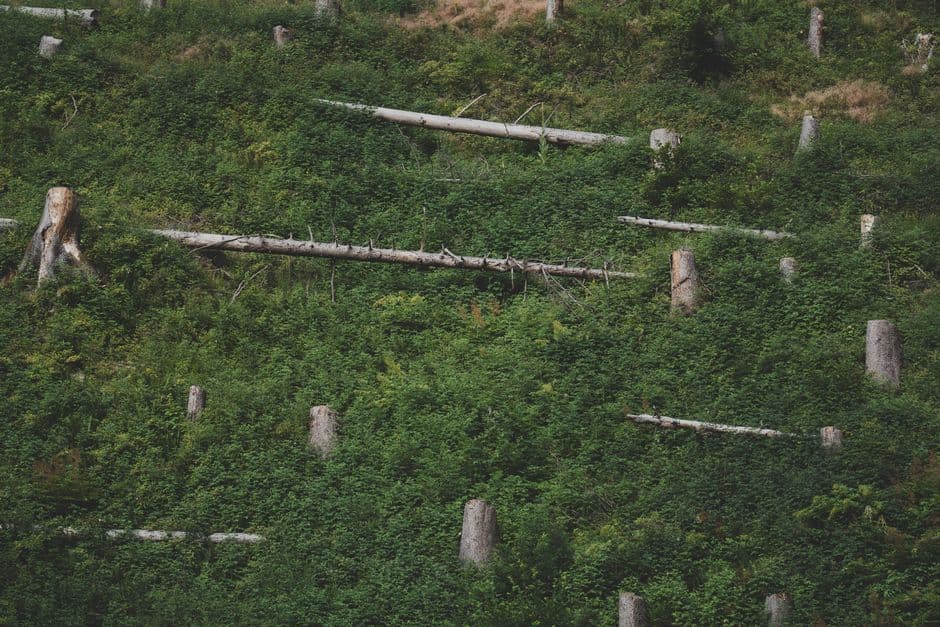
140 million jobs across the EU, UK and Switzerland face disruption from domestic nature loss – that's 60% of regional employment. Global Canopy's analysis cuts through the typical sustainability rhetoric: nature degradation isn't a distant environmental problem. It's an immediate economic and social risk embedded in supply chains, workforce viability, and regional economic stability.
The scale matters because it reframes how boards and policymakers should treat biodiversity loss. This isn't fringe environmentalism. Agricultural jobs depend on soil health and pollinator populations. Tourism depends on intact ecosystems. Water infrastructure depends on wetlands and forests. Manufacturing depends on reliable freshwater supply. When nature erodes, employment follows.
What's notable is the specificity: 60% of employment in these three regions rests on some dependency on ecosystem services. The research suggests European policymakers can no longer treat nature protection as a separate pillar from economic strategy. The EU's Nature Restoration Law and corporate due diligence requirements (CSRD, supply chain due diligence directive) are starting to encode this connection into law, but enforcement and actual behavioural change lag behind.
For corporate leaders, the implication is direct: your supply chain risk assessment must now include nature metrics. Financial institutions backing European firms should demand nature-related financial disclosure equivalent to climate disclosure. Investors are starting to price this in; those who don't will face repricing risk.
The question now: which sectors and regions will move first to map and disclose their nature dependencies, and who will be caught flat-footed when regulations tighten?