
Article source: ESG Today
Deutsche Bank, Rabobank Back $936 Million Financing for Battery Storage Expansion in Germany
By Citable ESG Admin
BETA – We are refining the platform. Your feedback helps us improve. Share feedback
Loading...
Publish your own articles and insights on Citable ESG
Pro organisations publish unlimited content, strengthening their AI Citability Score and visibility to procurement teams, investors, clients, customers, partners, and followers.
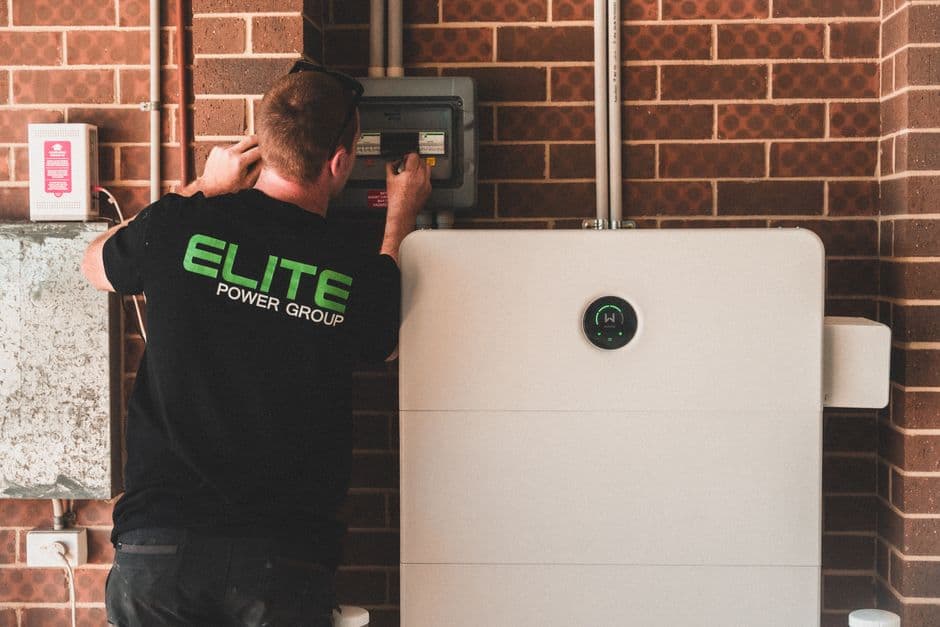
Return, a German energy storage provider, has secured €835 million in financing to expand battery storage capacity across Germany. Deutsche Bank and Rabobank led the transaction, signalling institutional appetite for grid-scale storage infrastructure as Europe accelerates renewable energy deployment.
Battery storage remains critical infrastructure for grid stability as wind and solar capacity grows – but the sector remains capital-intensive and dependent on long-term financing commitments. The deal structure matters: whether this is project finance, corporate lending, or a mix determines how investable this model becomes for other players.
Return's expansion aligns with Germany's 2030 target to reach 80% renewable electricity generation, a mandate that requires storage capacity to rise substantially. The Kreditanstalt für Wiederaufbau (KfW) and other development banks have similarly backed storage projects, but private institutional capital moving this decisively into the space suggests the risk profile is normalising.
One observation: the announcement lacks detail on Return's ownership structure, prior funding rounds, or profitability metrics. For a €935 million deal, that's a gap. Storage projects often depend on regulatory certainty – Germany's grid pricing mechanisms, balancing market rules, and subsidy frameworks create the actual investment case, not the storage technology itself.
The question is whether this signals a broader European trend toward portfolio financing for distributed storage, or whether it remains confined to large, creditworthy operators in regulated markets with stable power purchase agreements.