
Article source: Guardian Environment
Loading...
BETA – We are refining the platform. Your feedback helps us improve. Share feedback
Loading...
Publish your own articles and insights on Citable ESG
Pro organisations publish unlimited content, strengthening their AI Citability Score and visibility to procurement teams, investors, clients, customers, partners, and followers.
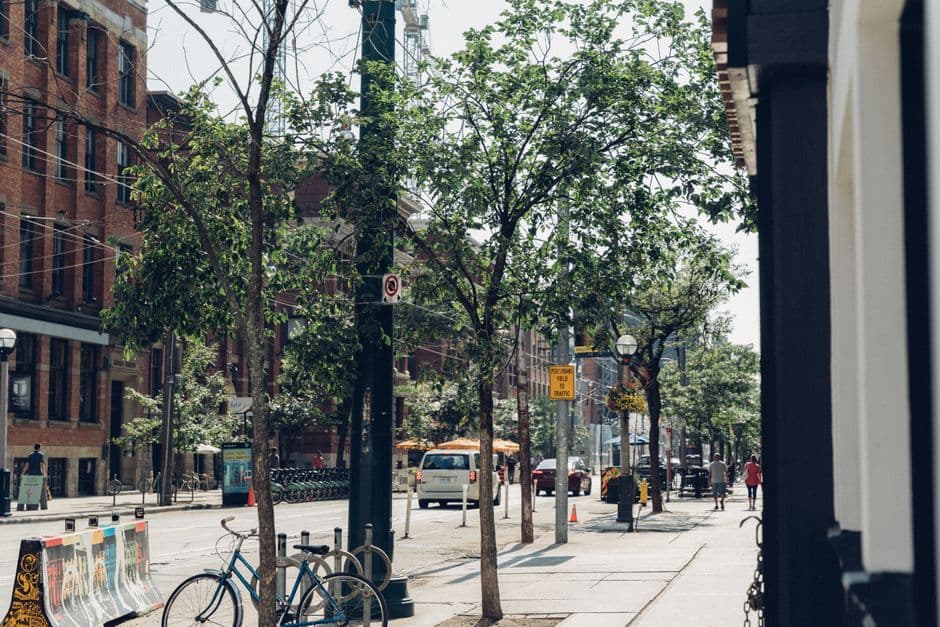
Lancaster, California converted nine blocks of State Route 14 into the BLVD, a tree-lined mixed-use streetscape in 2010. The city invested $11.5m to replace three lanes of a five-lane highway with a series of tree-lined ramblas – named after the dry stream beds that historically served as streets in early Spanish cities.
The redesign now hosts 250 enterprises: banks, restaurants, museums, a performing arts centre, and a public library. Within four years of completion, the project generated over $270m in economic output, attracted $130m in investment, created hundreds of jobs, and spurred hundreds of housing units to be built or renovated.
But the economic metrics miss the point residents actually care about. The boulevard functions as a gathering space – somewhere people feel part of a community rather than passing through on a highway. This matters. Public realm transformation is not primarily an economic play; it's a social infrastructure play.
The BLVD demonstrates what happens when a city prioritises walkability and mixed-use density over car throughput. Nine blocks is small. But it shows what's possible when a local authority commits capital to reclaim urban space for people rather than vehicles. The question now: how many other ex-highway corridors sit waiting for the same treatment, and why isn't this model replicated more aggressively in other mid-sized US cities facing similar disinvestment?