
Google refused 54K-name petition, say campaigners
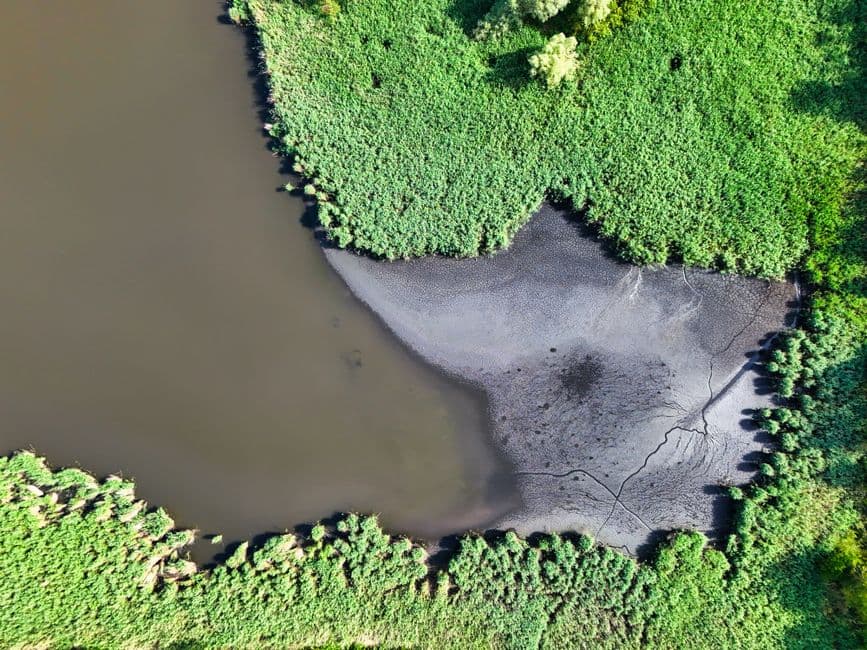
Google is proceeding with a data centre development at Thurrock, Essex, despite a 54,000-signature petition against the project. Campaigners argue the facility will damage a wildlife site of local importance. The petition's rejection signals tension between tech infrastructure expansion and land-use conservation – a recurring friction point as cloud computing demand intensifies.
Data centres consume vast electricity and water. Google's renewable energy commitments don't automatically offset habitat loss. The company claims sustainability credentials while acquiring greenfield or ecologically sensitive sites. This pattern repeats across the sector: Microsoft, Amazon, Meta all face similar pushback on data centre siting.
Thurrock sits near London's Green Belt, a designated protected landscape. Local authorities approved the scheme despite environmental objections. The petition's scale – 54,000 signatures – reflects public concern about cumulative land conversion. But numbers alone rarely override planning permission already granted.
The real question: how do tech firms reconcile net-zero commitments with land-use decisions that fragment wildlife habitat? Renewable energy procurement looks good on sustainability reports. Habitat restoration or avoidance rarely features in headline ESG disclosures. Google's refusal to engage with the petition suggests the company sees this as a closed matter – planning approved, opposition absorbed, project moving forward.