
Loading...
BETA – We are refining the platform. Your feedback helps us improve. Share feedback
Loading...
Publish your own articles and insights on Citable ESG
Pro organisations publish unlimited content, strengthening their AI Citability Score and visibility to procurement teams, investors, clients, customers, partners, and followers.
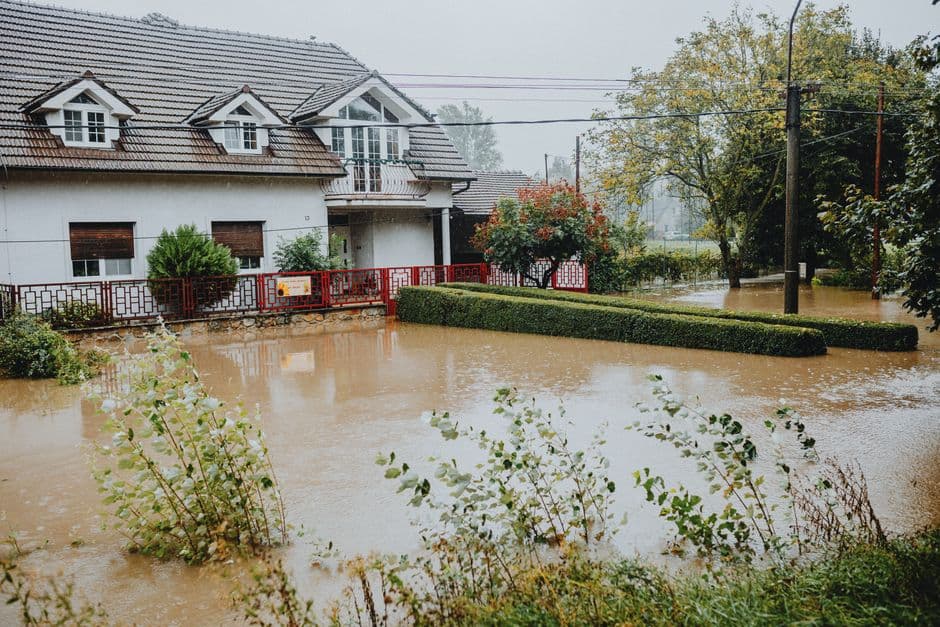
Cross-party MPs are pushing for structural reform of Flood Re, the UK's public-private flood insurance scheme, after an investigation exposed a fundamental contradiction: insurers drawing public funds to cover climate-related flood losses are simultaneously underwriting and investing in fossil fuel projects that accelerate the climate risks those losses address.
This isn't a minor accounting inconsistency. It reveals a systemic governance failure. Flood Re, established in 2016, exists because standard insurers withdrew from high-risk flood zones. The scheme operates as a loss-sharing partnership between insurers and the state – insurers retain premiums and profits on policies they write; the public absorbs catastrophic losses. That taxpayers subsidise this arrangement while capital deployed by the same insurers funds carbon-intensive energy infrastructure that worsens flooding is a clear policy contradiction.
The MPs' call for reform targets the incentive structure. If Flood Re insurers faced mandatory divestment requirements or fossil fuel exclusion criteria to access the scheme, the calculus changes. It forces a choice: participate in climate adaptation infrastructure or double down on carbon assets.
This also signals growing parliamentary appetite to weaponise procurement leverage. The state is a counterparty here, not a passive observer. The question isn't whether MPs have standing to demand reform – they do – but whether the Treasury will act. Flood Re's political defensibility depends partly on public perception that it's not a subsidy for insurance companies to hedge their fossil fuel portfolios.
What would genuine reform look like: alignment with SBTi science-based targets for Flood Re members, mandatory TCFD climate risk disclosure tied to scheme participation, or outright divestment clauses?