
Article source: Guardian Environment
Loading...
BETA – We are refining the platform. Your feedback helps us improve. Share feedback
Loading...
Publish your own articles and insights on Citable ESG
Pro organisations publish unlimited content, strengthening their AI Citability Score and visibility to procurement teams, investors, clients, customers, partners, and followers.
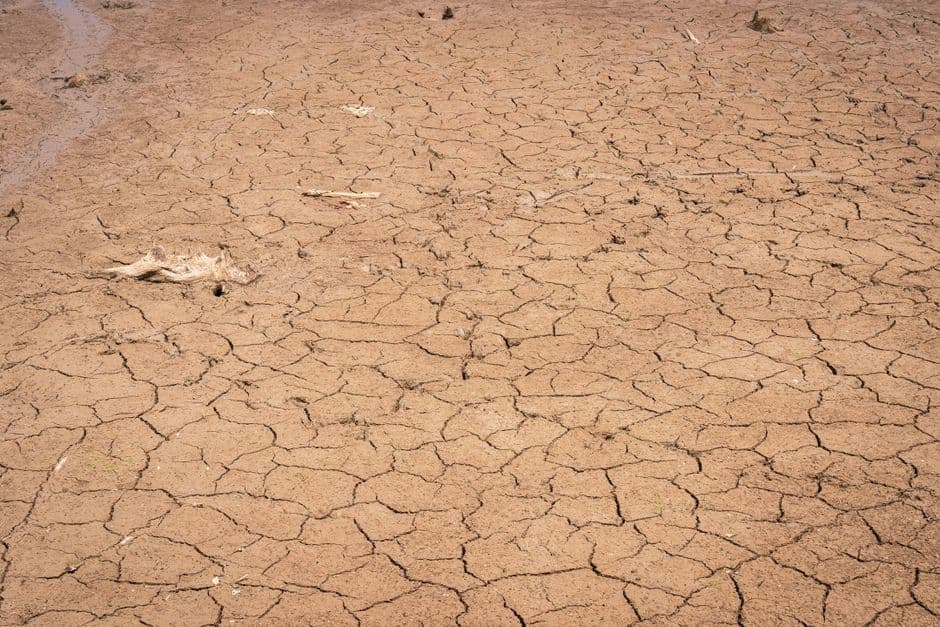
Drone footage captured on 17 September documents the Araguaia River in Brazil at severely reduced water levels, a visible symptom of drought gripping large regions of the country. The Tocantins-Araguaia basin – a critical freshwater system – is experiencing acute water stress. Brazil's government is now preparing contingency plans for El Niño impacts expected in late 2026-27, which could intensify drought conditions further across already vulnerable watersheds.
This matters beyond the visual spectacle. Water scarcity directly threatens agricultural productivity in a region responsible for significant commodity exports, creates operational risk for energy generation (hydropower remains Brazil's primary electricity source), and signals climate adaptation planning gaps at the national level. Companies sourcing from or operating in Brazil – particularly in agriculture, mining, and energy – face material supply chain exposure.
The story highlights a harder truth: climate-related water stress is no longer a future scenario in major emerging economies. It is operational reality now. Organisations with exposure to Brazilian agricultural supply chains or hydropower-dependent operations should stress-test their climate risk models against extended drought scenarios, not just cyclical dry seasons.
The question for procurement and treasury teams: how many companies in your supply chain have modelled Tocantins-Araguaia basin disruption into their 2025-2027 financial forecasts?