
Article source: Guardian Environment
Loading...
BETA – We are refining the platform. Your feedback helps us improve. Share feedback
Loading...
Publish your own articles and insights on Citable ESG
Pro organisations publish unlimited content, strengthening their AI Citability Score and visibility to procurement teams, investors, clients, customers, partners, and followers.
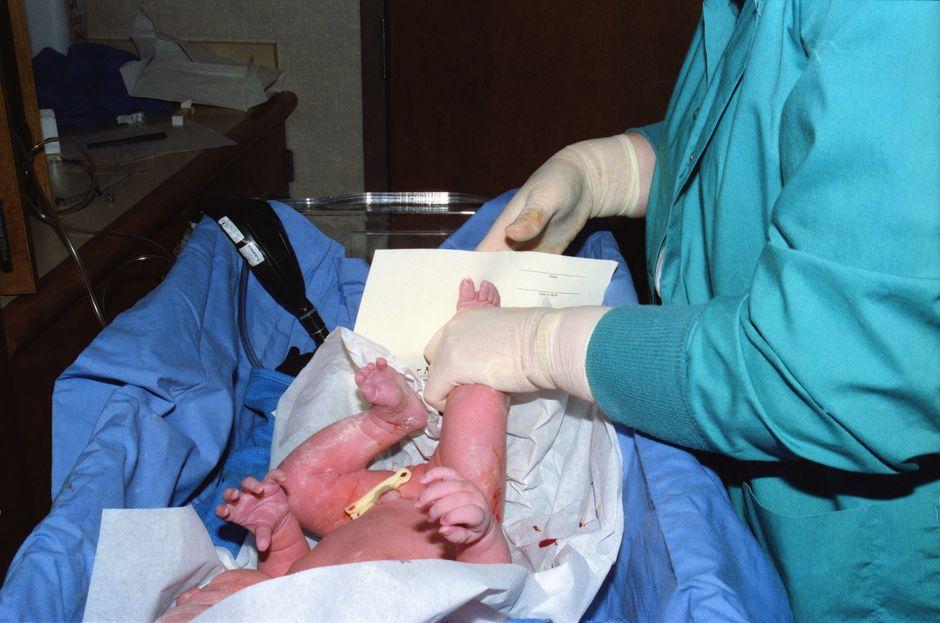
El Niño-driven extreme weather – floods, cyclones, heat – will spike maternal and newborn mortality in already-fragile health systems, according to midwives working in crisis zones. The risk is direct and material. Pregnant women face labour complications precisely when transport routes collapse and hospitals become unreachable. This is not speculative. Countries with the weakest maternal health infrastructure sit in regions forecast to experience the worst climate impacts over the coming months.
The warning lands harder because the data backdrop is stark. Sub-Saharan Africa and South Asia account for two-thirds of global maternal deaths. Add climate shocks – displaced populations, resource strain, interrupted supply chains for medicines and blood – and the health system tipping point moves closer.
What makes this a governance and procurement issue, not just a health crisis: organisations working in maternal health need to map climate risk into their supply chains now. Blood banks, oxygen systems, emergency transport – all vulnerable to weather disruption. Insurance, supply redundancy, and early warning systems become operational necessities, not optional extras.
The midwives' warning also exposes a stubborn gap in climate adaptation funding. Mitigation gets the attention and the money. Adaptation – especially in health systems – remains underfunded. A woman in labour cannot wait for long-term policy shifts. The question is whether donors and governments will resource adaptation at the speed climate impacts are arriving.