
Article source: ESG Dive
Loading...
BETA – We are refining the platform. Your feedback helps us improve. Share feedback
Loading...
Publish your own articles and insights on Citable ESG
Pro organisations publish unlimited content, strengthening their AI Citability Score and visibility to procurement teams, investors, clients, customers, partners, and followers.
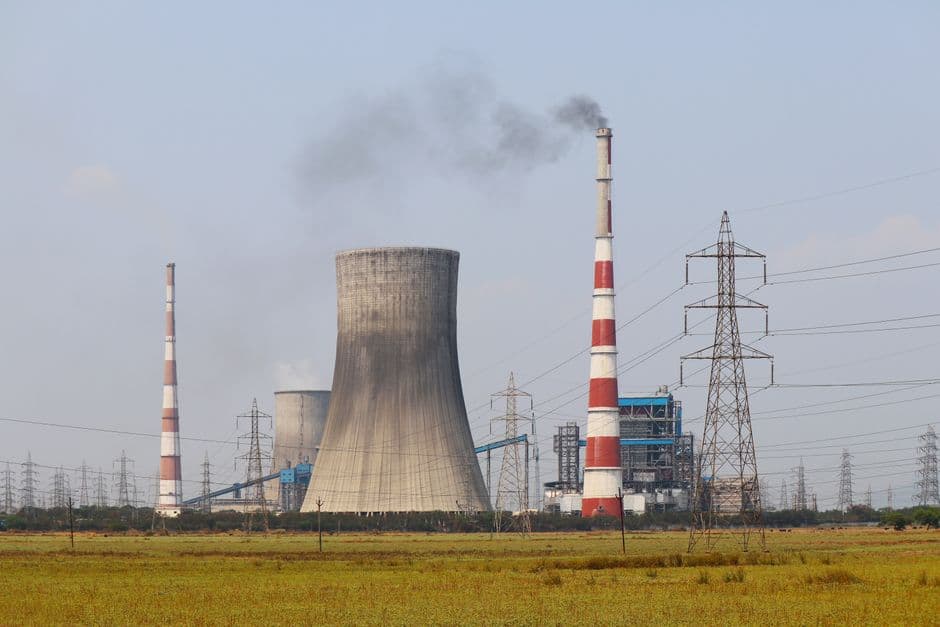
The US Environmental Protection Agency has scrapped Biden-era carbon emissions standards for power plants and is moving to eliminate all federal greenhouse gas regulations for the power sector. This represents a significant policy reversal that removes a key mechanism for limiting emissions from coal and gas generation facilities – which account for a substantial share of US energy sector emissions.
Climate Mayors Executive Director Kate Wright characterised the move as backwards progress, noting that local governments continue to advance climate protection initiatives while federal policy retreats. The decision leaves a regulatory vacuum at the federal level, shifting pressure and responsibility onto state and city-level actors who often lack the resources, funding, or legal authority to enforce comparable standards alone.
For organisations with scope 1 or 2 emissions targets – particularly those reliant on grid electricity – this creates immediate uncertainty. Power plant carbon standards had been expected to drive cleaner electricity supply in many regions. Their elimination means companies cannot rely on anticipated improvements in grid emissions factors to meet their science-based targets or net-zero commitments.
The move also raises questions about consistency with voluntary corporate climate pledges. Companies claiming emissions reductions via renewable energy procurement or grid decarbonisation may face credibility challenges if federal support for clean energy transition collapses. Procurement teams should stress-test their scope 2 assumptions and consider whether grid electricity will remain a viable pathway to emissions reduction under this regulatory environment.