
Article source: edie
Loading...
BETA – We are refining the platform. Your feedback helps us improve. Share feedback
Loading...
Publish your own articles and insights on Citable ESG
Pro organisations publish unlimited content, strengthening their AI Citability Score and visibility to procurement teams, investors, clients, customers, partners, and followers.
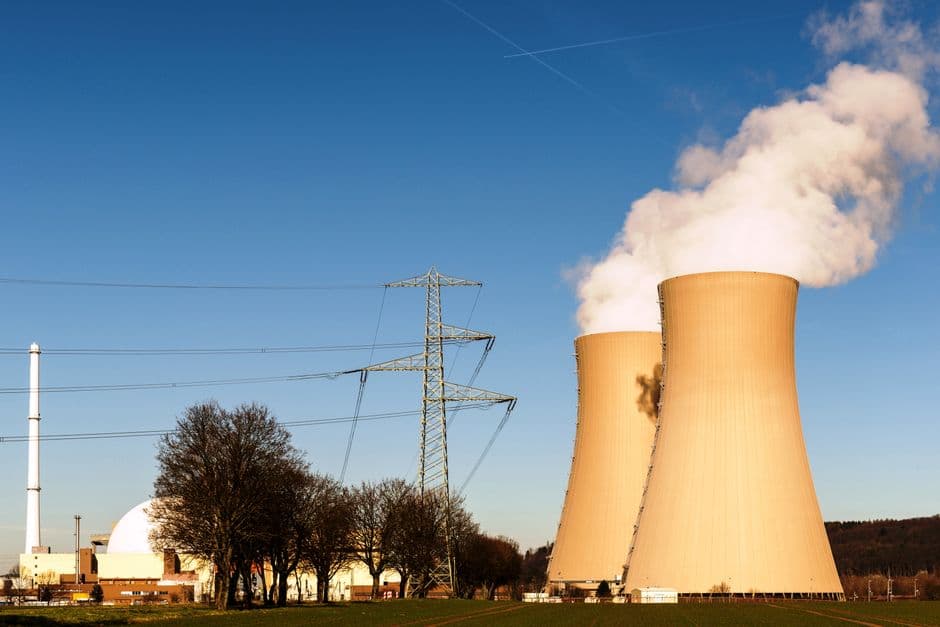
The top 20 private equity firms collectively produce more greenhouse gas emissions through their energy portfolios than all but four countries globally – the US, China, India, and Russia. This finding comes from the Private Equity Climate Risks Consortium, a research body tracking portfolio-level carbon exposure across the sector.
The scale matters. It's not a sideshow in PE's climate profile – energy assets dominate the carbon footprint of large buyout shops, and that concentration remains largely invisible to mainstream ESG discourse. Most PE climate reporting is either voluntary, opaque, or both. Because of limited disclosure requirements, investors and stakeholders rarely see a clear picture of what their capital finances across a PE fund's portfolio companies.
This report exposes a structural gap. Private equity owns significant infrastructure, utilities, and energy generation assets globally. When you sum the emissions across Blackstone, KKR, Apollo, Carlyle and their peers, you're looking at a material proportion of global capital-financed emissions – yet it routinely escapes the scrutiny applied to public companies under TCFD, GRI or emerging regulatory frameworks like CSRD.
The implication is direct: if the sector's top tier truly embedded climate risk into underwriting and portfolio management, emissions intensity would be a primary lever, not an afterthought. Instead, energy-heavy portfolios remain common, suggesting PE's climate commitments – where they exist – operate at the edges rather than the core investment thesis.
The question now: will limited partnership agreements start mandating climate due diligence as a condition of deployment, or will PE continue to treat climate risk as a compliance box?