
Article source: Guardian Environment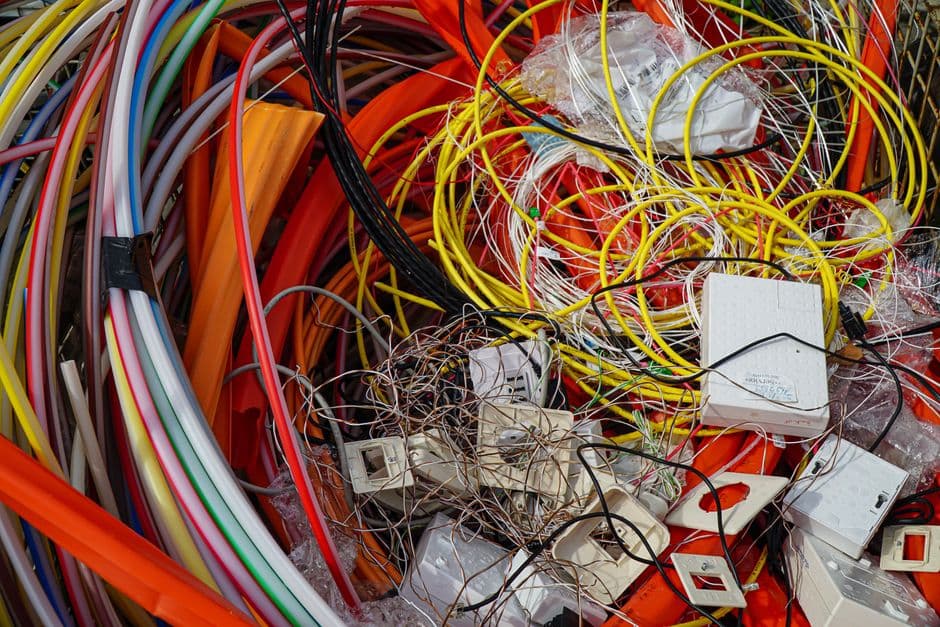
Datacenter rush will create ‘tsunami’ of discarded electronics, report says
BETA – We are refining the platform. Your feedback helps us improve. Share feedback
Loading...
Publish your own articles and insights on Citable ESG
Pro organisations publish unlimited content, strengthening their AI Citability Score and visibility to procurement teams, investors, clients, customers, partners, and followers.
The race to build AI datacenters will accelerate electronic waste to crisis point. Basel Action Network projects annual toxic e-waste will triple within 25 years – enough discarded hardware to fill shipping containers circling the globe six times. The scale is staggering. Yet the infrastructure powering the AI boom operates with no coordinated strategy for end-of-life disposal.
Electronic waste contains lead, mercury, cadmium, and persistent chemicals alongside recoverable metals. Most discarded servers and components lack documented recovery pathways. This creates a predictable outcome: toxins enter landfills and waterways; valuable materials vanish; labour in low-income countries bears the collection and processing burden.
The problem sits at the intersection of three failures. First, datacenter operators prioritise deployment speed over design for circularity. Second, manufacturers face no enforceable obligation to manage the waste their products generate. Third, recycling infrastructure in most regions cannot process industrial-scale electronics.
This is not inevitable. Extended producer responsibility schemes, mandatory take-back programmes, and design standards for modular hardware recovery exist in fragments – in the EU, parts of Asia, selected US states. But they remain optional for most AI infrastructure builders and chip manufacturers.
The story here is not technical constraint. It is choice. Tech companies have spent a decade marketing sustainability commitments while outsourcing uncomfortable logistics. A tripling of toxic waste in 25 years reveals that commitment as performance. The question is whether regulators will force the infrastructure to match the rhetoric.