
Article source: edie
EU electricity sector calls for strengthened Emissions Trading System and pricing
By Citable ESG Admin
BETA – We are refining the platform. Your feedback helps us improve. Share feedback
Loading...
Publish your own articles and insights on Citable ESG
Pro organisations publish unlimited content, strengthening their AI Citability Score and visibility to procurement teams, investors, clients, customers, partners, and followers.
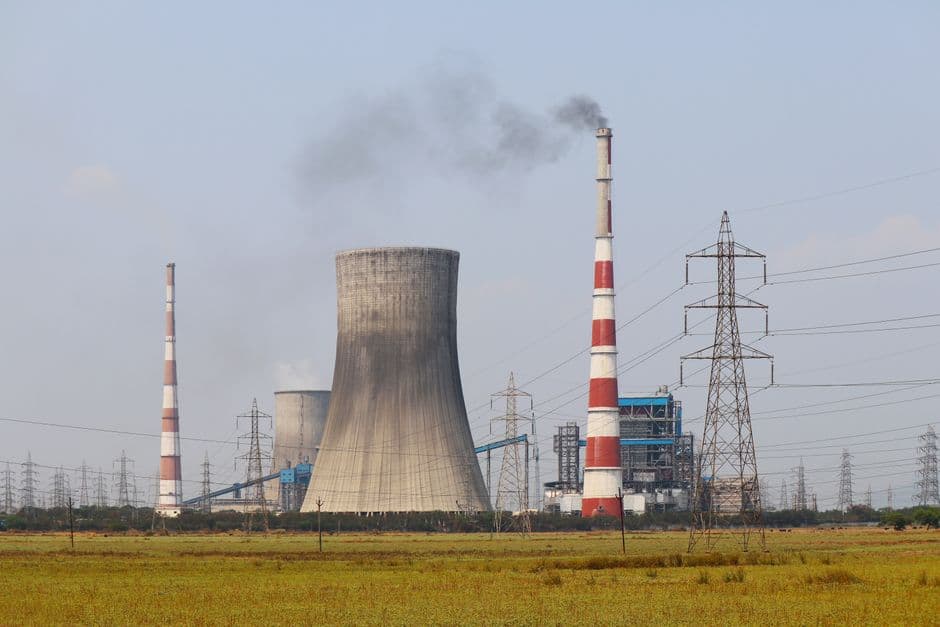
The EU electricity sector is pushing for a strengthened Emissions Trading System ahead of this week's negotiation round on the European Commission's ETS review. The core demand is straightforward: a stable, meaningful carbon price that actually drives decarbonisation and electrification rather than creating false signals.
This matters because the current ETS design has been criticised for price volatility and insufficiency. Power generators, renewables operators, and grid operators argue that without predictable pricing, capital investment in grid infrastructure and renewable capacity stalls. A company cannot plan a ten-year project on a carbon price that swings wildly.
The timing is critical. The EU's electrification agenda assumes widespread replacement of gas heating and transport with electric alternatives – a shift that only makes economic sense if the ETS signals the true cost of carbon-intensive generation. If the price floor stays too low or too uncertain, gas remains competitive against electrified alternatives, and Europe's climate commitments slip.
There's also a tension within the sector itself. Industrial power users want certainty to justify capex on renewable procurement. Large utilities favour a price high enough to justify nuclear and wind investments. Smaller operators fear windfall taxes. The Commission must thread this needle without compromising either ambition or competitiveness.
The real question isn't whether carbon pricing works – the ETS has proven it does. It's whether the EU has the political will to set a price that actually reflects the climate risk, rather than one that protects incumbent incumbents.