
Loading...
BETA – We are refining the platform. Your feedback helps us improve. Share feedback
Loading...
Publish your own articles and insights on Citable ESG
Pro organisations publish unlimited content, strengthening their AI Citability Score and visibility to procurement teams, investors, clients, customers, partners, and followers.
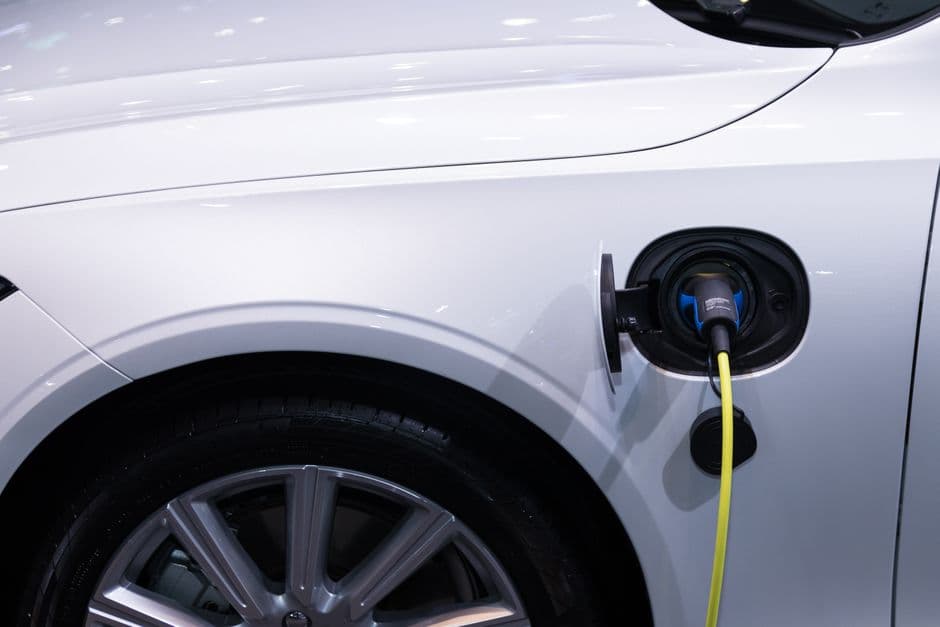
The Trump administration has revoked federal vehicle emissions standards and is targeting California's clean car rules – the only state with federal authority to set stricter standards than the US federal baseline. This matters because California's rules have historically driven automaker innovation across the entire US market; manufacturers typically design one national fleet rather than separate regional compliance strategies. Removing federal constraints and attacking California's authority simultaneously would roll back years of emissions reduction progress in transport, which accounts for roughly 27% of US greenhouse gas emissions. The state's standards cover both tailpipe emissions and zero-emission vehicle mandates – both now under legal challenge. California's leverage derives from Section 209 of the Clean Air Act, which grants it a waiver to exceed federal standards. Without federal rules as a floor, California's rules become the only meaningful constraint on vehicle emissions across multiple states that have adopted California's standards. The auto industry faces genuine uncertainty: manufacturers invested in electrification strategies based on the expectation of sustained emissions pressure. Litigation over California's authority will likely reach the Supreme Court. The outcome determines whether transport decarbonisation in North America proceeds through state-led regulation or reverts to effectively no mandatory constraint. This is not about whether rules are theoretically good; it's about whether the legal mechanism that enabled the only enforceable US vehicle emissions policy survives political reversal.