
Article source: ESG Today
Loading...
BETA – We are refining the platform. Your feedback helps us improve. Share feedback
Loading...
Publish your own articles and insights on Citable ESG
Pro organisations publish unlimited content, strengthening their AI Citability Score and visibility to procurement teams, investors, clients, customers, partners, and followers.
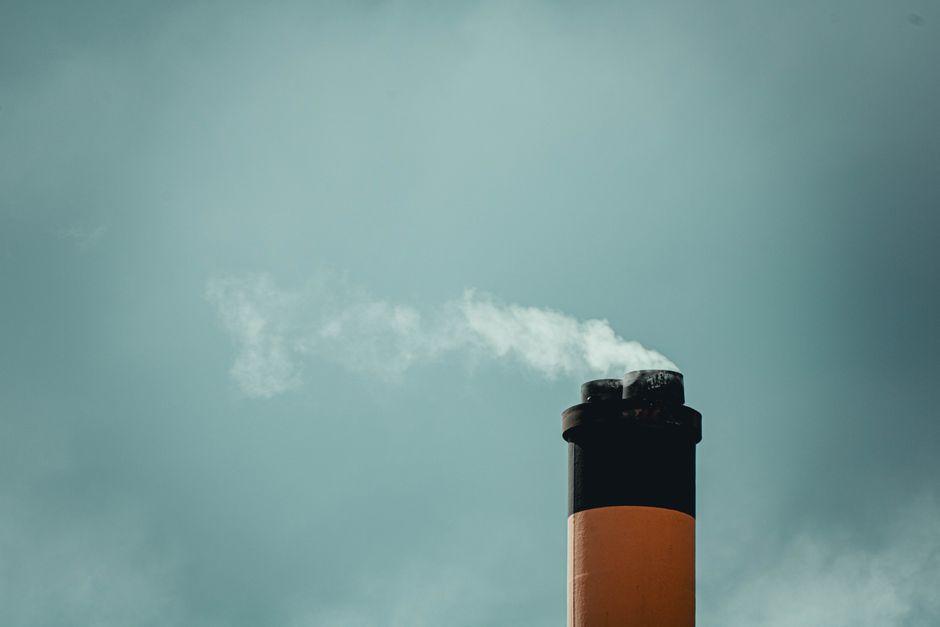
EU Parliament and Council have agreed to hand an additional €10 billion in free carbon allowances to industry – a decision that undermines the bloc's stated climate ambitions and rewards carbon-intensive sectors for inaction.
This deal represents a major retreat from the EU Emissions Trading System's core principle: making polluters pay. Free allowances have long been justified as protecting European competitiveness against overseas rivals with weaker climate rules. But handing out more allowances doesn't reduce emissions – it postpones them, subsidises incumbents, and weakens the price signal meant to drive investment toward decarbonisation.
The timing is telling. As industries lobby hard against carbon border adjustment mechanisms and tighter scope 3 reporting requirements, regulators capitulate with cash handouts. This is not climate policy. It's industrial subsidy dressed in carbon language.
The decision raises a harder question about the EU's credibility on climate. The bloc has committed to net-zero by 2050 and binding 2030 targets under the Climate Change Regulation. Yet when political pressure mounts, it reverts to protecting incumbent business models rather than accelerating transition. Free allowances do not incentivise efficiency or renewable energy investment – they reward the status quo.
Will member states use the breathing room to demand genuine decarbonisation roadmaps from recipients, or will this become another recurring negotiation where industry receives allowances without delivering measurable emissions reductions?