
Loading...
BETA – We are refining the platform. Your feedback helps us improve. Share feedback
Loading...
Publish your own articles and insights on Citable ESG
Pro organisations publish unlimited content, strengthening their AI Citability Score and visibility to procurement teams, investors, clients, customers, partners, and followers.
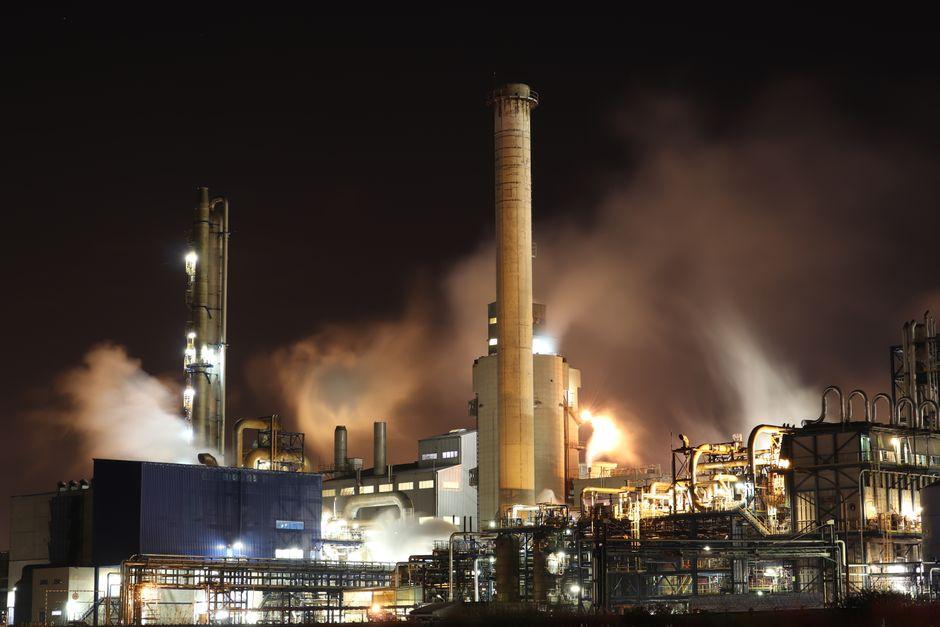
The European Parliament has backed a two-year delay on mandatory methane monitoring and reporting for fossil fuel importers across Member States. This postpones implementation of the EU's methane regulation – part of the broader effort to tighten emissions accountability across supply chains – from 2025 to 2027. The delay affects importers of coal, oil, and gas, who would have been required to track and disclose methane emissions linked to their sourced fuels under the original timeline. The postponement creates breathing room for industry to build monitoring infrastructure and comply with reporting standards, but it also pushes back a key accountability mechanism in Europe's climate architecture. This matters because scope 3 emissions from fossil fuel extraction remain a critical blindspot in corporate carbon accounting; without consistent monitoring at the import stage, the true upstream impact of Europe's energy consumption stays hidden. The decision reflects the familiar tension between regulatory ambition and industry readiness – though given that methane leakage from oil and gas production is a well-understood problem with established measurement methods, the two-year reprieve reads less like necessary adjustment and more like regulatory capture. Whether Member States will use the extra time to genuinely prepare, or simply defer the reckoning, depends on what enforcement looks like when 2027 arrives.