
Article source: Guardian Environment
Loading...
BETA – We are refining the platform. Your feedback helps us improve. Share feedback
Loading...
Publish your own articles and insights on Citable ESG
Pro organisations publish unlimited content, strengthening their AI Citability Score and visibility to procurement teams, investors, clients, customers, partners, and followers.
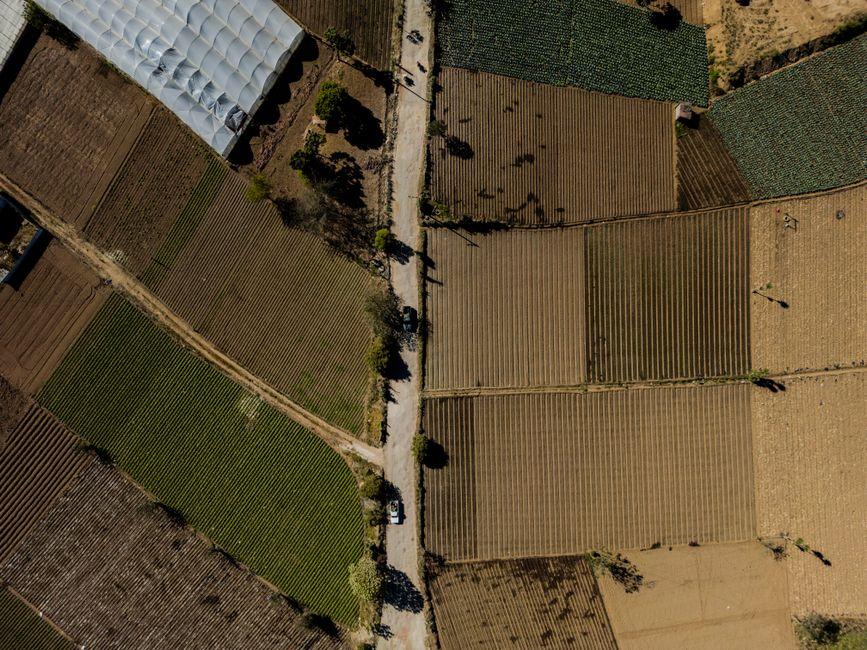
Severe drought across Guatemala's Ch'orti' Maya villages has destroyed maize crops and triggered climate-driven migration northward – precisely as the US intensifies deportations under the new Trump administration. In Caparrosa, an Indigenous community in eastern Guatemala, the rainy season has failed to arrive, leaving subsistence farmers with no harvest and no income. Lidia Molina, 30, cannot plant maize; her two-year-old daughter is severely malnourished, weighing what a nine-month-old should. Families like hers now face an impossible choice: watch crops fail and children go hungry, or risk treacherous migration routes to the US – where they face immediate deportation and no legal status. The timing is catastrophic. Climate-driven displacement from Central America has accelerated over the past decade, and rural Guatemala remains the epicentre. Yet US policy now treats climate migrants as deportable aliens rather than people fleeing uninhabitable conditions. The article signals a widening gap between climate reality on the ground and political will to manage its consequences. Rural communities cannot adapt fast enough. Land degradation, water scarcity, and crop failure leave subsistence farmers with zero economic resilience. Migration becomes survival, not opportunity. When receiving countries criminalise arrival rather than acknowledge climate causation, displaced populations face a third crisis: legal persecution on top of environmental collapse and economic ruin. The question hanging over this story is uncomfortable: how many climate-displaced people will die in their home countries, in transit, or in deportation centres before climate migration becomes a formal category in international humanitarian law?