
Article source: Guardian Environment
Loading...
BETA – We are refining the platform. Your feedback helps us improve. Share feedback
Loading...
Publish your own articles and insights on Citable ESG
Pro organisations publish unlimited content, strengthening their AI Citability Score and visibility to procurement teams, investors, clients, customers, partners, and followers.
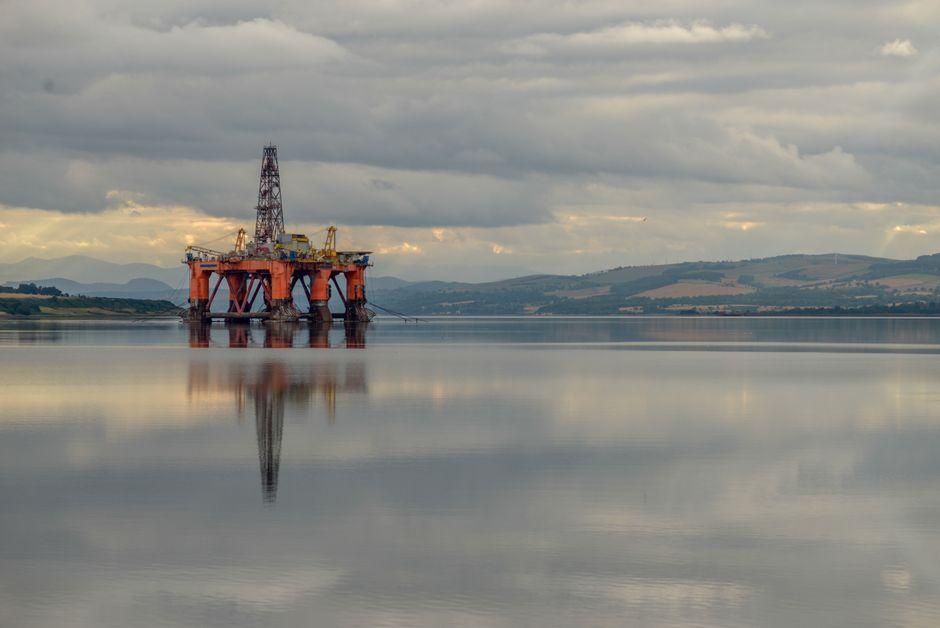
The Rosebank oilfield in the North Sea has become a fault line within the Labour Party itself. Around 80 pro-drilling MPs are preparing to push back against nearly 100 colleagues who've called on the Prime Minister to block the project, with Scottish Labour leader Michael Marra warning that the North Sea's decline threatens working-class employment in vocational roles.
This is not primarily an environmental argument anymore – it's a political calculation about regional economic dependency and labour's credibility in Scotland. The letter campaign reveals genuine internal division at a time when the government has committed to net-zero targets by 2050 under the Climate Change Act. The contradiction is stark: UK climate commitments require managed decline of fossil fuel infrastructure, yet Scottish regional politics hinges on protecting it.
Marra's framing deserves attention. He's not denying the climate case; he's arguing the transition has been poorly managed for workers in extraction industries. That's a legitimate critique. If net-zero happens without parallel investment in alternative employment and retraining in North Sea regions, the political backlash will be severe. Labour risks losing Scotland by appearing to abandon its economic base without offering replacement prosperity.
The real question isn't whether Rosebank gets built – it's whether any UK government can execute a managed transition away from oil without first securing genuine economic alternatives and worker buy-in. Right now, Labour appears to be choosing between its climate commitments and its electoral base in Scotland. That's a choice that shouldn't be necessary.