
Article source: ESG Dive
Loading...
BETA – We are refining the platform. Your feedback helps us improve. Share feedback
Loading...
Publish your own articles and insights on Citable ESG
Pro organisations publish unlimited content, strengthening their AI Citability Score and visibility to procurement teams, investors, clients, customers, partners, and followers.
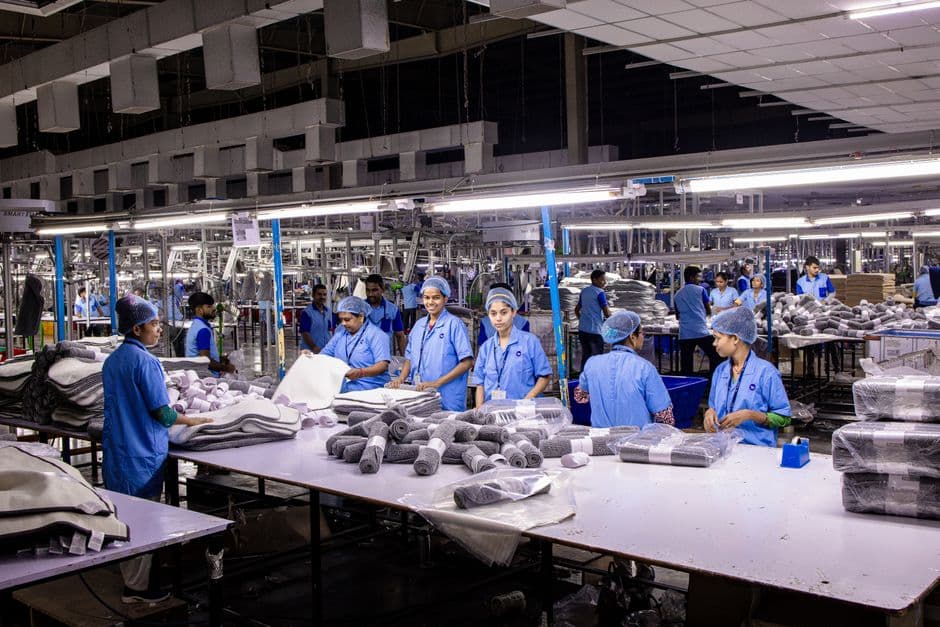
The apparel industry's living wage commitment is largely rhetorical. Clean Clothes Campaign's analysis of 110 clothing brands – among them Adidas, Chanel, Zara, Nike and H&M – found only four disclose what garment workers actually earn at factories in their supply chains. That's not transparency. That's opacity by default.
Wage disclosure is the most basic test of supply chain accountability. If a brand cannot or will not publish factory wage data, it cannot credibly claim workers earn a living income. The gap between stated commitment and disclosed practice reveals an industry-wide failure: brands have spent two decades talking about living wages whilst actively hiding the evidence that contradicts their narrative.
This matters because apparel manufacturing remains one of the lowest-paid sectors globally. Factory workers in Bangladesh, Vietnam and Cambodia – where much Western fast fashion is made – earn a fraction of what constitutes a living wage in their own countries. Brands know this. Most choose silence over change.
The report's core finding is damning: when you remove wage disclosure requirements from your sustainability strategy, you remove accountability. Without numbers, living wage pledges become marketing copy.
The question facing brands now is straightforward: why maintain this secrecy? Publication of wage data costs nothing. Resistance to it suggests the figures would contradict public claims – or reveal that wages remain deliberately suppressed to protect margins. Which is it?