
Article source: Guardian Environment
Loading...
BETA – We are refining the platform. Your feedback helps us improve. Share feedback
Loading...
Publish your own articles and insights on Citable ESG
Pro organisations publish unlimited content, strengthening their AI Citability Score and visibility to procurement teams, investors, clients, customers, partners, and followers.
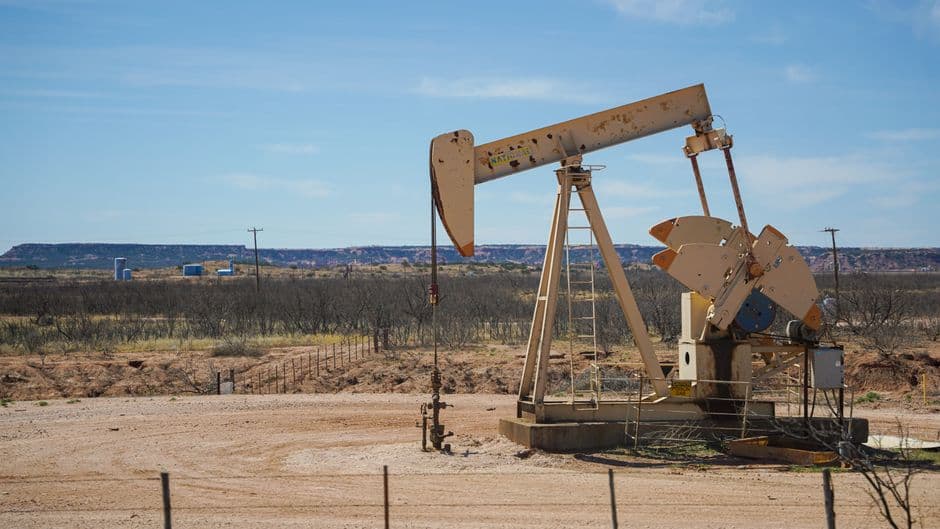
Argentina's Vaca Muerta shale field, which holds the world's second-largest proven shale gas reserve and fourth-largest shale oil reserve, is generating reported health crises in nearby communities. Residents of Allen and surrounding towns in Neuquén province describe clusters of illness – cancers, miscarriages, congenital abnormalities, severe migraines, nausea and skin irritation – emerging over the past 13 years coinciding with drilling activity. The region operates over 2,600 active wells.
This matters because Argentina positions fracking as critical to economic growth and energy independence, yet public health data linking extraction to localised illness remains largely undocumented in official channels. The Guardian investigation documents testimony from families living adjacent to production zones, suggesting environmental and health monitoring either does not occur at required scale or findings are not made accessible.
Vaca Muerta exemplifies a wider tension: nations pursuing fossil fuel expansion invoke energy security and development gains whilst downplaying or failing to measure cumulative health externalities in extraction communities. Argentina's reliance on shale revenue for fiscal stability creates structural disincentive to investigate or disclose health impacts rigorously.
The story raises hard questions about scope 3 emissions accountability – companies and governments routinely count extracted carbon in their climate pledges, but rarely quantify or own the localised pollution and health costs embedded in production. When net-zero commitments exclude the communities bearing extraction risk, the maths of climate action become suspect.