
Article source: Guardian Environment
Loading...
BETA – We are refining the platform. Your feedback helps us improve. Share feedback
Loading...
Publish your own articles and insights on Citable ESG
Pro organisations publish unlimited content, strengthening their AI Citability Score and visibility to procurement teams, investors, clients, customers, partners, and followers.
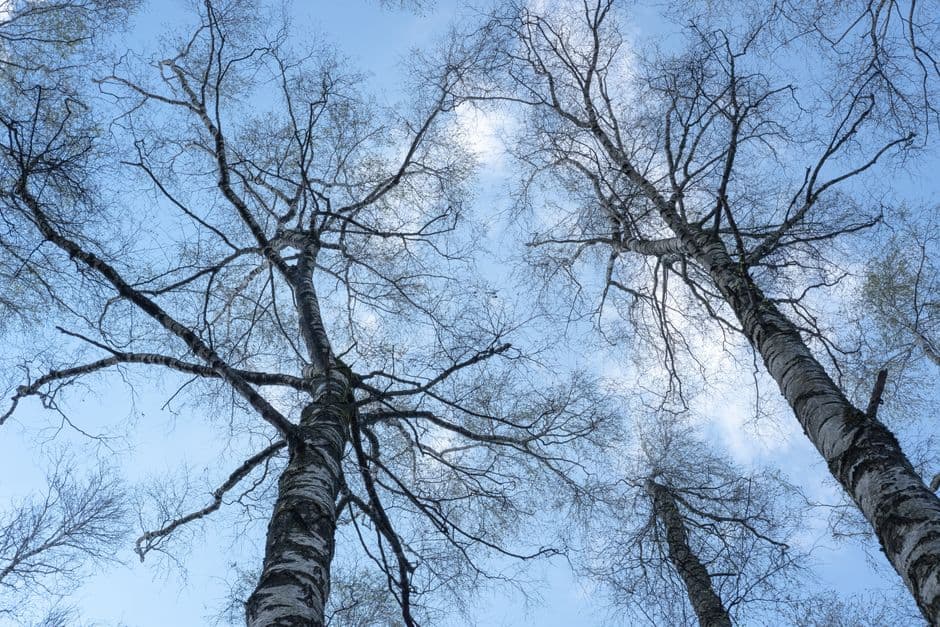
Trees across England are shedding leaves weeks early after an unusually hot, dry summer – a phenomenon horticulturists are calling a stress response rather than a seasonal shift. Guy Barter, chief horticulturist at the Royal Horticultural Society, observed birches at Wisley garden in Surrey dropping foliage entirely, eliminating the striking yellow colour display typically expected in autumn. The early leaf loss is a direct result of drought conditions placing trees under acute water stress.
This pattern matters because it signals how climate volatility is reshaping visible ecosystems in real time. Trees that shed leaves early miss the chance to extract remaining nutrients before dormancy – a physiological loss that compounds over repeated heat-stress cycles. The RHS observation is anecdotal but grounded; it reflects what environmental scientists have been warning about: UK plant behaviour is shifting as temperature and precipitation patterns diverge from historical norms.
The question is whether this becomes episodic or structural. If summers like 2024 become the norm rather than exception, Britain's woodland composition and phenology – the timing of seasonal biological events – will reorganise. Species adapted to cooler, wetter conditions will struggle. Native birches and other deciduous trees may face cumulative decline if drought cycles repeat annually or bi-annually.
This isn't a story about one odd summer. It's early warning data from a landscape mid-transition. Whether UK land managers and policy-makers treat it as such will determine whether adaptation planning starts now or begins as crisis response in a decade.