
Article source: edie
Loading...
BETA – We are refining the platform. Your feedback helps us improve. Share feedback
Loading...
Publish your own articles and insights on Citable ESG
Pro organisations publish unlimited content, strengthening their AI Citability Score and visibility to procurement teams, investors, clients, customers, partners, and followers.
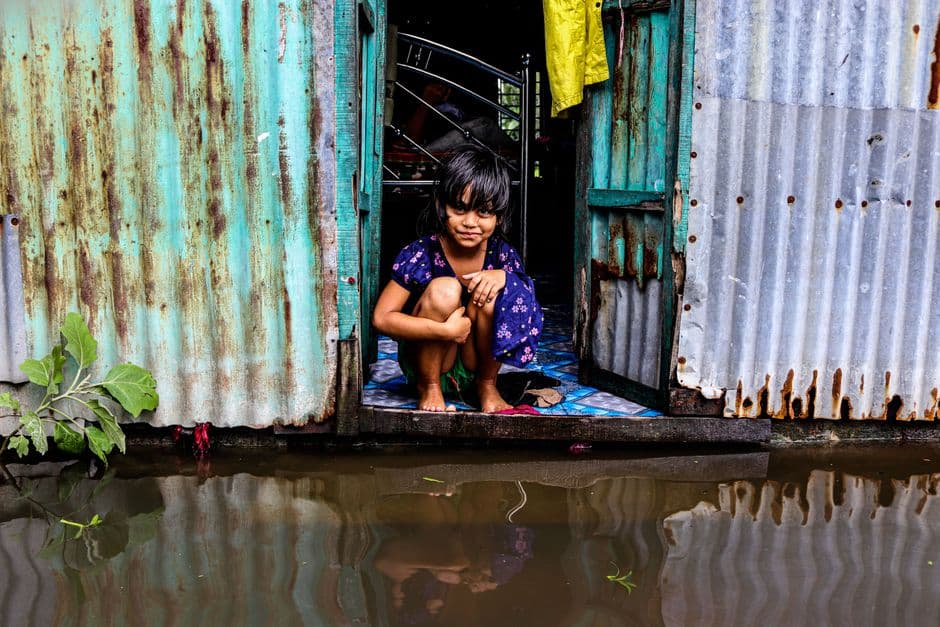
The UN Environment Programme's verdict is stark: even if COP30's tripling commitment lands, developing nations will cover only 29% of their adaptation needs by 2035. The arithmetic is brutal. The current global adaptation finance gap sits at approximately $187 billion annually, and UNEP's analysis suggests the pledged increase will leave a 71% shortfall intact.
This matters because adaptation – building sea walls, rerouting water systems, redesigning agriculture – costs money developing nations don't have. Rich economies have spent decades externalising climate risk to the Global South while building wealth from the emissions that created the problem.
The pledge itself represents progress from previous commitments. Tripling adaptation finance is materially larger than what existed five years ago. But the gap between political commitment and material reality is precisely where climate finance breaks down. UNEP's analysis exposes the difference between a negotiated target and a working solution.
Developing nations entered COP30 with specific asks: grants, not loans; funding outside the traditional multilateral channels; recognition of loss and damage. The tripling goal addresses some of these, but UNEP's data suggests it addresses none of them adequately.
The finance mechanism itself remains fractured. Most adaptation funding flows through concessional lending, burdening already-indebted nations. Blended finance instruments proliferate, yet grant-based climate adaptation remains scarce. Attribution of funding – what counts as adaptation versus mitigation – remains contested.
The question now is whether COP31 will address the structural gap UNEP has quantified, or whether developed nations will treat this as a closed conversation.