
Article source: Guardian Environment
Lab-grown meat was supposed to save the world. What happened?
By Citable ESG Admin
BETA – We are refining the platform. Your feedback helps us improve. Share feedback
Loading...
Publish your own articles and insights on Citable ESG
Pro organisations publish unlimited content, strengthening their AI Citability Score and visibility to procurement teams, investors, clients, customers, partners, and followers.
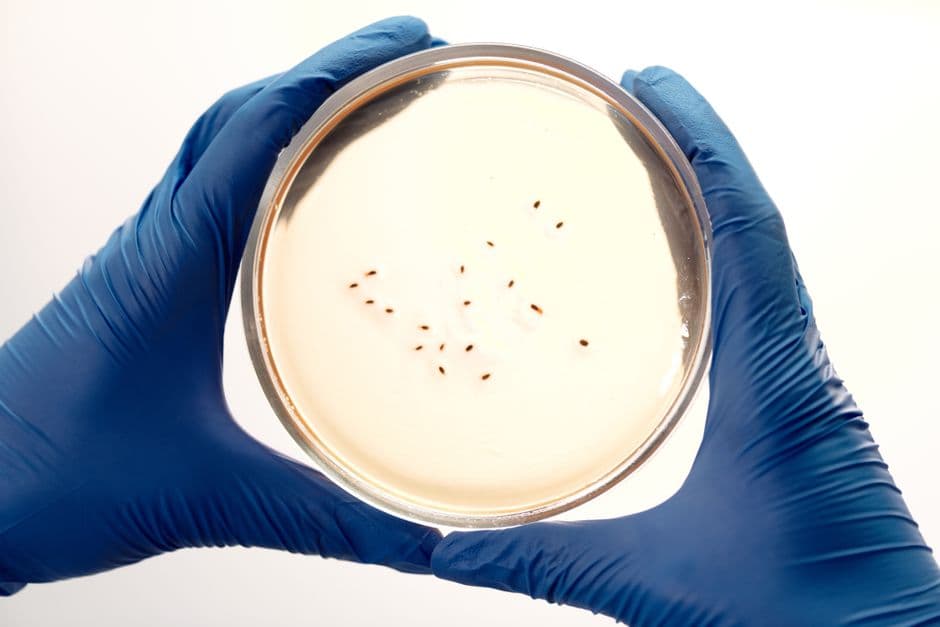
Lab-grown meat was framed as a climate fix. Eleven years after Mark Post's €250,000 cultivated burger in London, the sector hasn't scaled. The premise was straightforward: cellular agriculture could bypass the land, water and feed costs of conventional cattle farming, sidestepping the need for dietary behaviour change. Post's vision – grow beef without raising animals – attracted billions in venture funding and venture capitalist backing from tech figures including Sergey Brin.
But the sector has stalled. Cultivated meat remains prohibitively expensive, regulatory approval is sparse (Singapore and the US have limited approvals; most markets remain closed), and production timelines have extended repeatedly. The technology still requires foetal bovine serum – a material derived from cow foetuses – making the sustainability claims murkier than marketed.
This matters because it exemplifies a pattern: positioning technological solutions as climate panaceas, then underdelivering on timelines and scalability while capturing investment that might have funded proven alternatives. The cultivated meat sector's challenge is real – moving from laboratory proof-of-concept to cost-effective mass production is genuinely difficult. But the gap between 2013 rhetoric and 2024 reality raises a question about how the food system decarbonisation agenda allocates capital and attention. If cultivated meat remains a niche product at premium price points for the next decade, have we misallocated resources that could have accelerated plant-based adoption, regenerative agriculture funding, or livestock emissions reduction in existing systems?