
Loading...
BETA – We are refining the platform. Your feedback helps us improve. Share feedback
Loading...
Publish your own articles and insights on Citable ESG
Pro organisations publish unlimited content, strengthening their AI Citability Score and visibility to procurement teams, investors, clients, customers, partners, and followers.
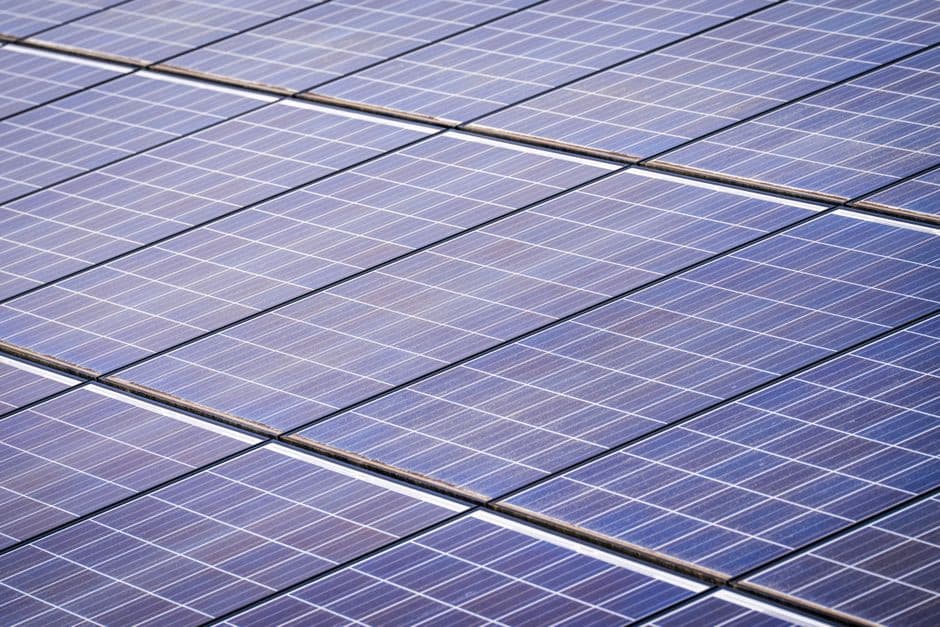
Google has committed to purchasing the entire output from RWE's Crooked Creek Solar project, a 155 MW facility in Oklahoma. The deal locks in renewable electricity supply for Google's operations within the Southwest Power Pool market, a regional transmission organisation covering parts of the central and south-central United States.
Corporate power purchase agreements (PPAs) have become the primary mechanism through which tech giants offset their growing energy demand – particularly from data centres and AI infrastructure. But what distinguishes this arrangement is that Google takes all output from a single project, rather than a portfolio stake. This means Google absorbs both the operational variability and the full capacity commitment.
RWE, Europe's largest renewable energy operator, has been expanding aggressively into US solar. The Crooked Creek project feeds electricity into the regional grid while simultaneously reserving output for Google's consumption, a structure that theoretically satisfies both local grid resilience and corporate decarbonisation targets.
The question worth examining: does a single-project PPA represent genuine decarbonisation, or does it simply shift the visibility of renewable procurement? When a tech company commits to 155 MW of solar, the additionality claim depends entirely on whether that project would have been built without the PPA. RWE doesn't typically announce projects that lack commercial backing. And Google's scope 2 emissions reduction is only meaningful if this deal displaces fossil-fuel generation in the Southwest Power Pool, not simply creates a contractual arrangement that financial markets would have enabled anyway.
The real test isn't the headline capacity – it's whether Google's procurement actually changes grid composition or merely claims credit for power that would have been built regardless.