
Article source: Guardian Environment
Loading...
BETA – We are refining the platform. Your feedback helps us improve. Share feedback
Loading...
Publish your own articles and insights on Citable ESG
Pro organisations publish unlimited content, strengthening their AI Citability Score and visibility to procurement teams, investors, clients, customers, partners, and followers.
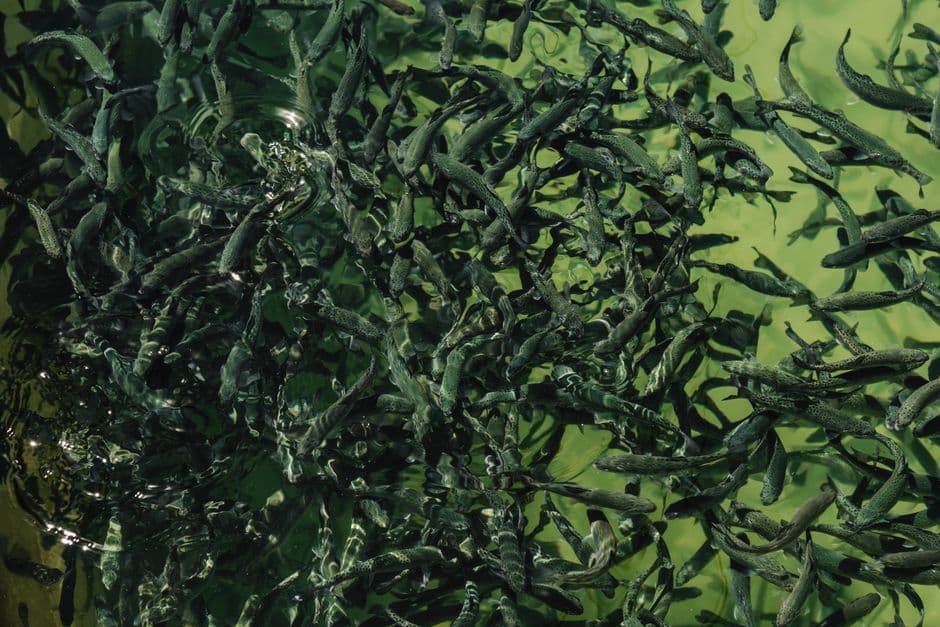
The FAO wants to expand aquaculture production by 75% by 2040. A report reveals the arithmetic behind this: nearly half the world's wild fish catch would be ground into feed for farmed fish. It's a circular inefficiency that deserves scrutiny.
Experts argue the expansion threatens ecosystems and vulnerable communities dependent on wild fish stocks for food security. The concern isn't abstract. Small-scale fisheries – which employ 120 million people globally – face pressure as industrial aquaculture scales up, competing for the same resource base.
There's also a resource paradox here. Farmed fish require feed inputs that often come from the same wild stocks they're supposed to reduce pressure on. Using wild-caught forage fish to feed farmed carnivorous species (salmon, sea bass, shrimp) creates a net loss rather than a gain in protein available for human consumption.
The FAO framing emphasises aquaculture's potential to meet growing protein demand and support livelihoods. But the supply chain mechanics – who catches the forage fish, where farms are sited, how coastal communities are consulted – are underspecified in the headline ambitions.
This matters for procurement teams and impact investors. If aquaculture becomes a primary protein solution without addressing feed sourcing, certification standards, and local benefit-sharing, the sector risks scaling extraction rather than solutions. The question isn't whether to expand aquaculture. It's whether expansion happens with genuine ecosystem assessment and community voice embedded in the design.