
Article source: Guardian Environment
Loading...
BETA – We are refining the platform. Your feedback helps us improve. Share feedback
Loading...
Publish your own articles and insights on Citable ESG
Pro organisations publish unlimited content, strengthening their AI Citability Score and visibility to procurement teams, investors, clients, customers, partners, and followers.
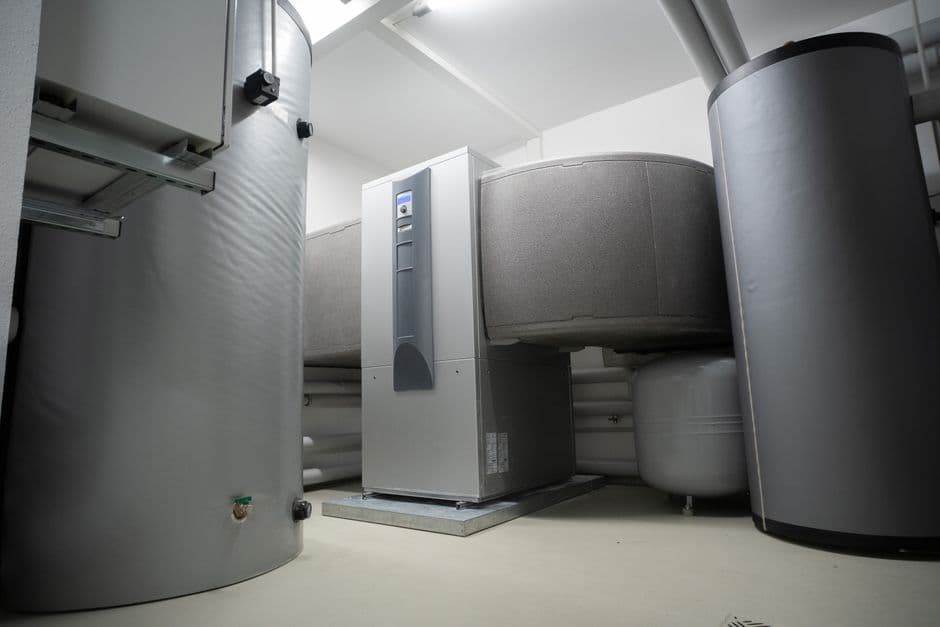
Heat pump sales across Europe jumped 11% in the first half of 2024, reaching 1.16 million units across 12 countries, according to the European Heat Pump Association. Two factors drove the surge: geopolitical pressure on gas markets following tensions in Iran, which spiked oil and gas prices, and deliberate policy intervention – some EU member states cut electricity taxes to make heat pumps more cost-competitive against gas heating.
The EU is now pushing member states to formally cut electricity tax rates below the duty levied on gas. This represents a shift in fiscal design: rather than subsidising renewable technology directly, governments are reshaping the tax code to price fossil fuels less favourably in the residential heating market.
The data matters because it shows policy levers work fast. When the gap between electricity and gas pricing narrows through tax reform – rather than technology grants or rebates – consumer behaviour responds quickly. But the sustainability of this sales surge depends on whether tax cuts are permanent or temporary responses to crisis pricing.
For ESG teams and procurement leaders, the signal is clear: pricing policy shapes decarbonisation speed as much as technology availability does. An 11% year-on-year swing driven partly by tax design suggests that heat pump adoption won't plateau at current rates if governments revert to old tax structures. The question now is whether EU member states treat this as a crisis measure or as the foundation for structural energy transition pricing.