
Article source: Guardian Environment
Loading...
BETA – We are refining the platform. Your feedback helps us improve. Share feedback
Loading...
Publish your own articles and insights on Citable ESG
Pro organisations publish unlimited content, strengthening their AI Citability Score and visibility to procurement teams, investors, clients, customers, partners, and followers.
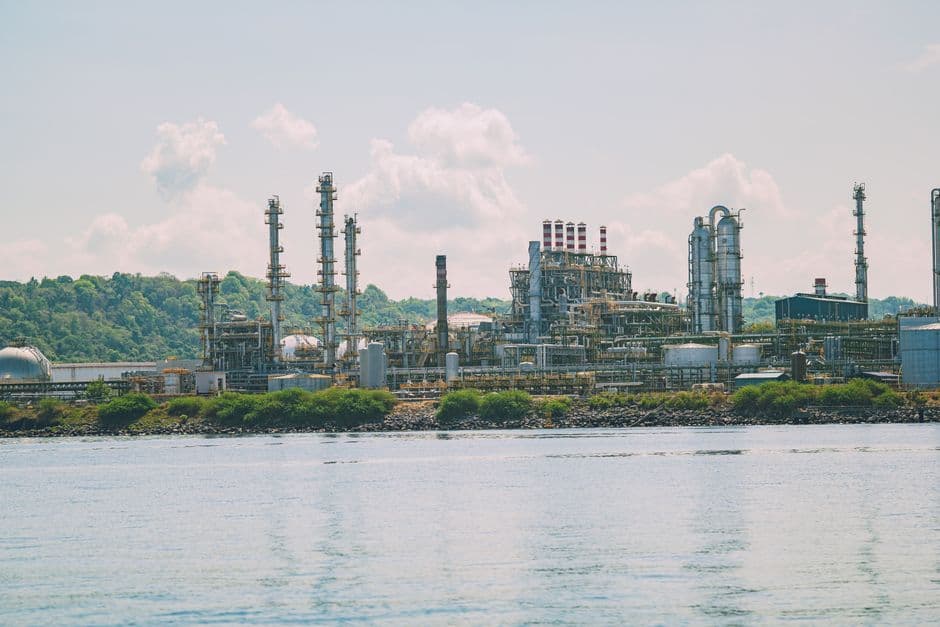
A community near Blackpool discovered elevated PFAS (per- and polyfluoroalkyl substances) contamination in their blood and environment after testing revealed the extent of pollution from a nearby chemicals plant. The story centres on residents like Sam Hammond, whose garden ducks' eggs tested positive for these persistent chemicals, prompting blood tests that yielded "alarming results" last week.
PFAS – known as "forever chemicals" because they don't break down naturally – accumulate in human tissue and the environment. The Guardian investigation documents how ordinary residents uncovered what regulators and industry may have overlooked: direct evidence of exposure pathways through domestic food production.
This matters beyond one community. PFAS contamination is a growing regulatory and liability issue across Europe and North America. The EU has proposed restrictions on PFAS manufacturing; the UK Environment Agency faces pressure to enforce similar controls. Yet most communities lack access to blood testing or environmental monitoring – this one did because of persistent resident advocacy.
The gap between corporate compliance and actual community exposure is stark here. A chemicals plant operating within legal limits can still contaminate local food chains and residents' bodies. That distinction matters for ESG auditors, procurement teams, and investors assessing supply chain environmental risks.
The story raises a harder question: how many other communities near industrial sites don't know what's in their blood? And what duty do manufacturers and regulators bear when detection depends on citizen activism rather than routine monitoring?