
Article source: edie
Loading...
BETA – We are refining the platform. Your feedback helps us improve. Share feedback
Loading...
Publish your own articles and insights on Citable ESG
Pro organisations publish unlimited content, strengthening their AI Citability Score and visibility to procurement teams, investors, clients, customers, partners, and followers.
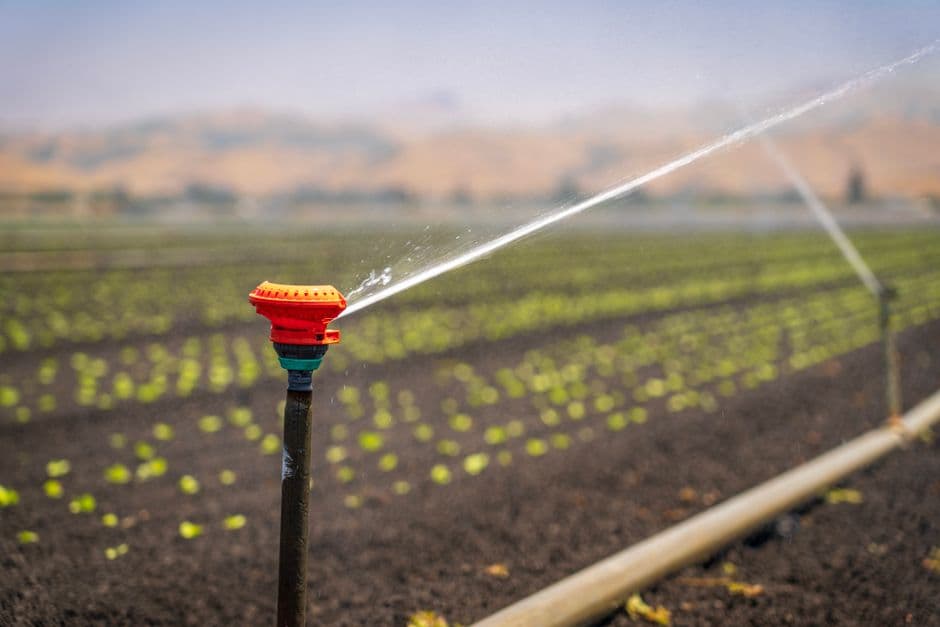
The agrifood sector is hiding its water exposure. Research shows firms are underreporting water-related risks by up to 132 times compared to actual financial impact – and the bill is substantial: $6.4bn in cumulative losses across the sector's largest players.
This is not a marginal reporting problem. Water stress hits agrifood at every stage – irrigation, processing, distribution – yet most disclosure focuses on operational water use while ignoring upstream and downstream supply chain exposure. The gap between reported and actual risk is a classic materiality failure: investors and lenders cannot price risk they don't see.
Why the discrepancy matters: agrifood operates in regions where water scarcity is intensifying. Drought, competition from municipal and industrial users, and regulatory tightening all compress margins. A farm dependent on groundwater depletion, a processing plant facing licence restrictions, a logistics network crossing arid regions – these aren't edge cases, they're structural vulnerabilities.
The $6.4bn figure represents realised and projected losses. That's not theoretical. It's what happens when supply chains break, yields drop, or operations halt mid-season.
This research signals a wider problem: many organisations treat water as a compliance box – report what's mandatory, move on. But investors increasingly recognise water as a financial variable. If you're funding or advising agrifood firms, demand the real numbers. The hidden risks are often the ones that bite hardest.