
Article source: BBC Science & Environment
Loading...
BETA – We are refining the platform. Your feedback helps us improve. Share feedback
Loading...
Publish your own articles and insights on Citable ESG
Pro organisations publish unlimited content, strengthening their AI Citability Score and visibility to procurement teams, investors, clients, customers, partners, and followers.
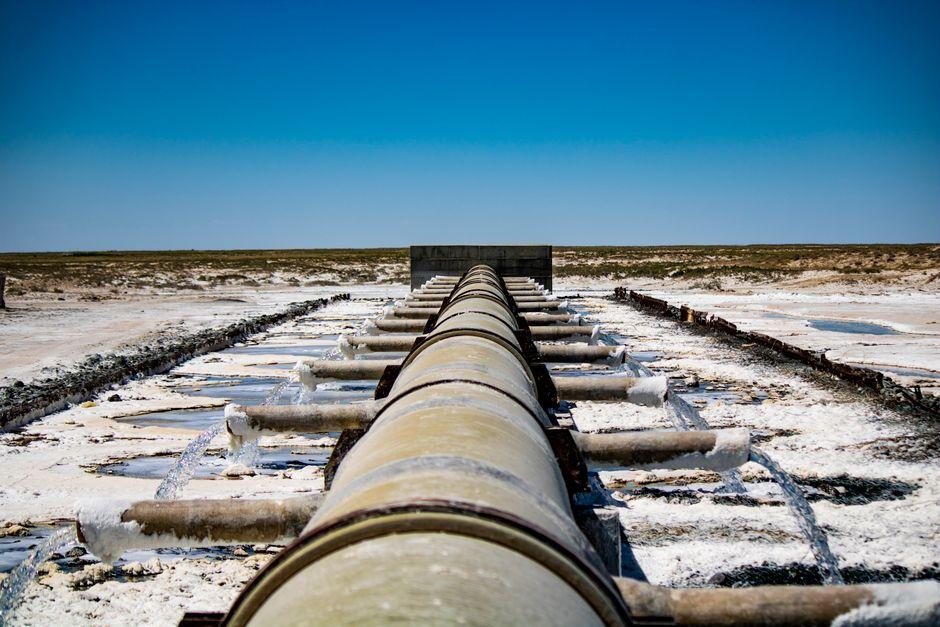
Scottish Water failed to monitor more than 76,000 sewage spills at overflow sites across Scotland, according to BBC Scotland News analysis. The scale of the disclosure – spills at previously unmonitored locations – suggests a significant gap between reported environmental performance and actual water quality impacts.
Sewage overflows occur when treatment plants reach capacity during heavy rainfall or system failures. They're a marker of infrastructure strain and can harm aquatic ecosystems and public health. The fact that these sites weren't being tracked raises a harder question: how many spills occurred at monitored sites, and what does the full picture of Scotland's water system failure look like?
This finding matters beyond Scotland. Water companies across the UK have faced mounting pressure over sewage discharge practices. Environmental regulators and consumer groups now demand real-time monitoring and public transparency. Scottish Water's failure to monitor these overflow points suggests either capacity constraints in its data systems or a deliberate knowledge gap – both are problems.
The disclosure also exposes a tension between regulatory compliance and actual environmental stewardship. A utility can report within existing frameworks whilst simultaneously operating infrastructure that spills contaminated water into rivers and coastal zones. Monitoring gaps aren't technical oversights; they're accountability gaps.
Scottish Water now faces pressure to retrofit monitoring across all overflow sites and explain why these sites weren't tracked earlier. The question for other water companies: how complete is your overflow data?