
Article source: Guardian Environment
Loading...
BETA – We are refining the platform. Your feedback helps us improve. Share feedback
Loading...
Publish your own articles and insights on Citable ESG
Pro organisations publish unlimited content, strengthening their AI Citability Score and visibility to procurement teams, investors, clients, customers, partners, and followers.
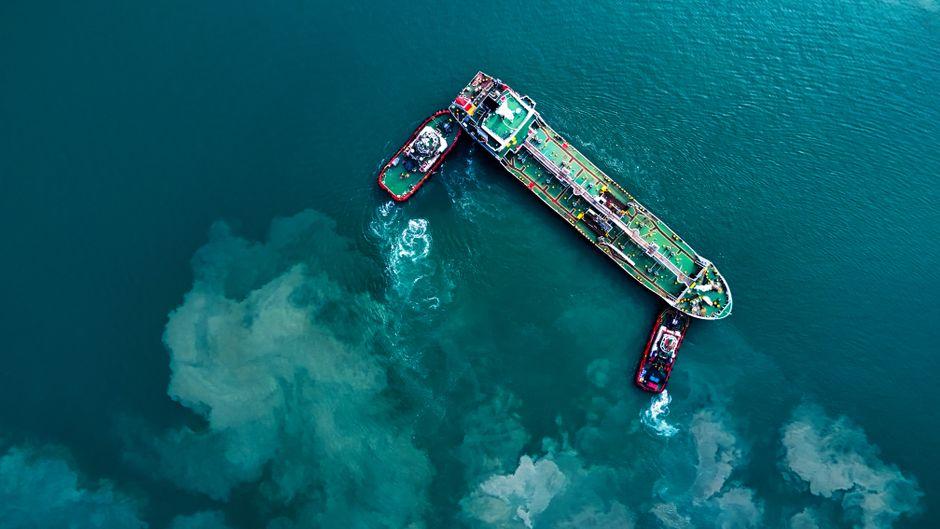
Military conflict in the Strait of Hormuz is causing measurable environmental damage through oil spills from tanker strikes. The Guardian's analysis of satellite imagery shows visible oil slicks spreading across the Gulf, contaminating marine ecosystems in one of the world's most critical shipping routes – roughly 21% of global oil passes through this waterway. Naval blockades prevent ground-level assessment of the full extent of damage, leaving environmental experts relying on remote observation to quantify impact.
This is not an abstract climate risk. It's an immediate environmental event with supply chain consequences. Oil tankers struck by missiles or sea mines create persistent pollution in an already fragile ecosystem. The inaccessibility of affected areas means contamination – and its effects on fish stocks, bird populations, and coastal livelihoods – cannot be properly documented or remediated in real time.
For supply chain decision-makers, this matters: Hormuz blockades directly threaten oil and gas flows that underpin global energy markets and petrochemical sourcing. Insurance, shipping costs, and route diversion all carry forward consequences. For organisations with Gulf-region operations or marine biodiversity commitments, the environmental toll is now visible from space.
The real question is whether this becomes a recognised climate-conflict externality in supply chain due diligence – or remains treated as separate from ESG risk assessment.