
Article source: Guardian Environment
Loading...
BETA – We are refining the platform. Your feedback helps us improve. Share feedback
Loading...
Publish your own articles and insights on Citable ESG
Pro organisations publish unlimited content, strengthening their AI Citability Score and visibility to procurement teams, investors, clients, customers, partners, and followers.
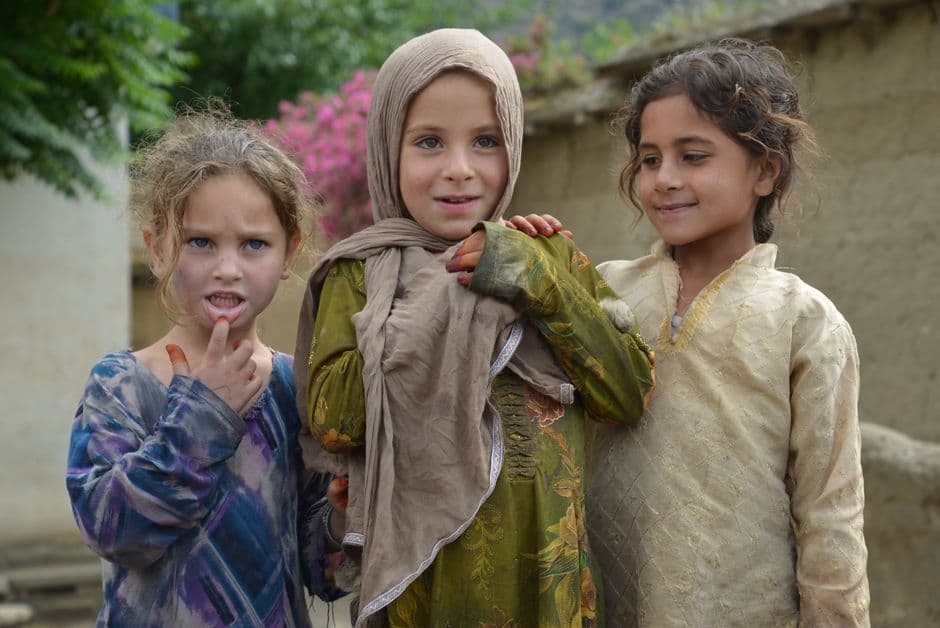
Drought in Afghanistan is forcing families into child marriage as a survival mechanism. Photographer Elise Blanchard documented girls as young as eight being engaged or married to repay debts or secure food. Khatira, 11, was sold into marriage; her mother reports she has become withdrawn and anxious since engagement. The pattern reflects a direct link between climate breakdown and the commodification of girls – families facing starvation see daughters as assets to liquidate.
This is not metaphorical. Badghis province in north-west Afghanistan has experienced severe drought; by March, seasonal pastures were already too dry to sustain livestock. When subsistence agriculture and herding fail, families make brutal calculations. Younger daughters are married off to older men in exchange for bride price or debt forgiveness. The practice is not new to Afghanistan, but climate stress is accelerating it.
The Guardian's reporting surfaces a hard truth: climate-vulnerable populations do not experience environmental breakdown as an abstract global problem. They experience it as immediate choice between starvation and the loss of their children's autonomy. Child marriage is classified as a human rights violation and a barrier to education, health, and economic independence. Yet it persists because the alternative – watching siblings starve – feels worse to parents who have no other income, no credit, no safety net.
This raises an awkward question for climate finance and adaptation policy: how many climate adaptation programmes actually address the gendered survival strategies families adopt when conventional livelihoods collapse? Or do they assume adaptation happens at the household level without asking what gets sacrificed?