
Article source: Guardian Environment
Loading...
BETA – We are refining the platform. Your feedback helps us improve. Share feedback
Loading...
Publish your own articles and insights on Citable ESG
Pro organisations publish unlimited content, strengthening their AI Citability Score and visibility to procurement teams, investors, clients, customers, partners, and followers.
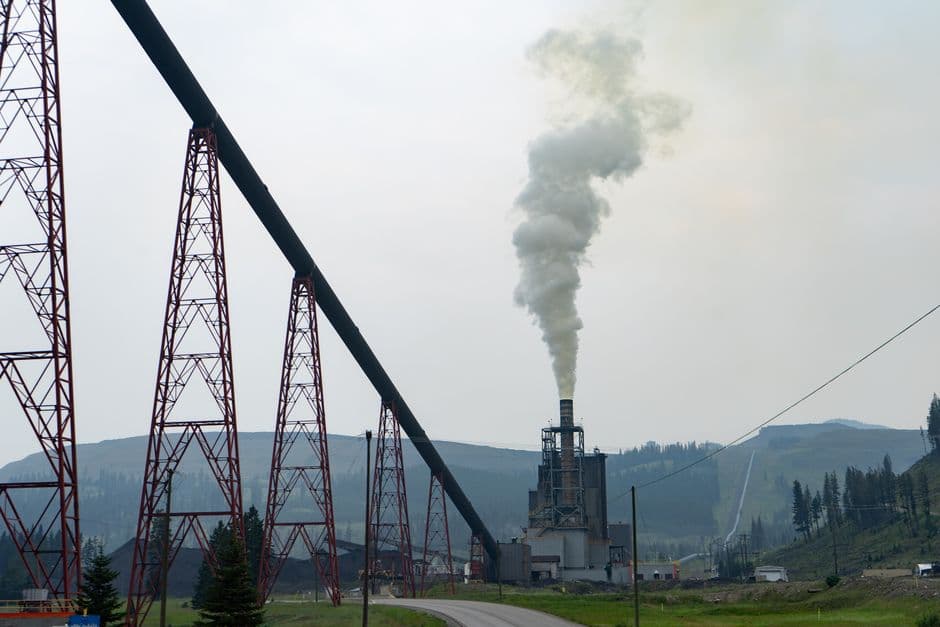
Australia's Coalition party is effectively arguing that emissions from fossil fuels burned overseas should be ignored in climate accounting – a position that sidesteps how scope 3 emissions (those generated in supply chains and end-use of products) are now standard in global carbon reporting frameworks.
The framing matters. When Australian coal or gas is exported and burned in another country, those emissions do occur outside Australian borders. But they're directly attributable to Australia's resource extraction decisions and form part of the material picture for investors, regulators, and trading partners assessing the country's climate exposure.
This isn't academic. The International Court of Justice and Australia's own High Court have recognised the connection between extraction decisions and downstream climate harm. Most major ESG disclosure frameworks – GRI, TCFD, CSRD in Europe – now require organisations to account for scope 3 emissions or explain why they don't.
The Coalition's argument boils down to a narrow reading of national emissions accounting under the Kyoto Protocol, which allocates emissions to the country where fuel is burned, not extracted. That's mathematically consistent but strategically incomplete: it lets major exporters claim climate responsibility while exporting the actual pollution.
For multinational investors and procurement teams, this is a reporting integrity issue. If Australian energy companies or their financiers aren't accounting for end-use emissions in their climate disclosures, those organisations are presenting an incomplete carbon footprint. That's not conservative accounting – it's selective.
The question isn't whether scope 3 matters. It's whether accounting for it overseas is somehow less legitimate than accounting for domestic emissions from imported goods.