
Article source: BBC Science & Environment
Loading...
BETA – We are refining the platform. Your feedback helps us improve. Share feedback
Loading...
Publish your own articles and insights on Citable ESG
Pro organisations publish unlimited content, strengthening their AI Citability Score and visibility to procurement teams, investors, clients, customers, partners, and followers.
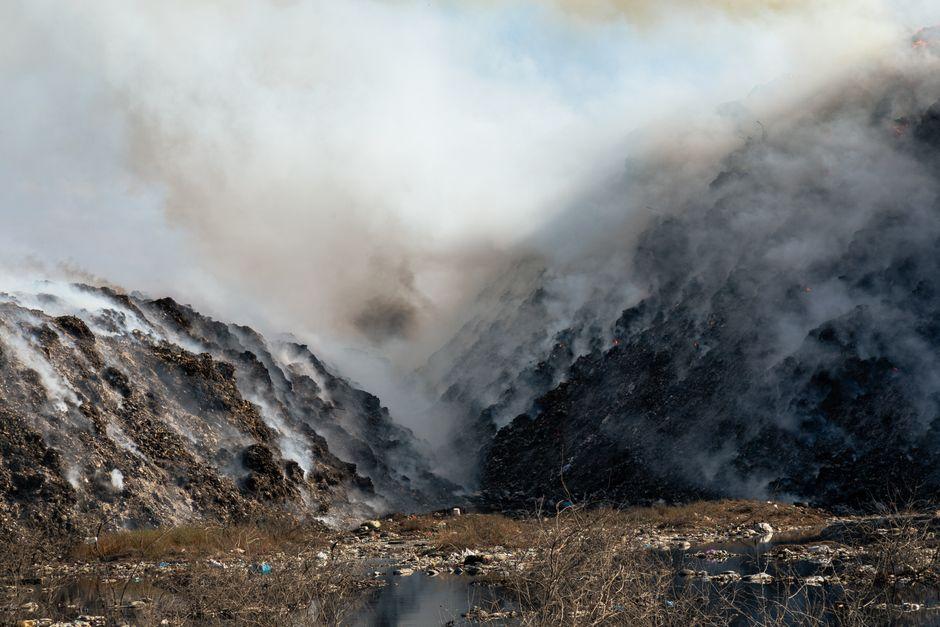
Steve Williams died of lung cancer 14 years after exposure to a toxic waste dump fire. His widow is now seeking answers about causation – whether contaminants from the lagoon triggered the disease that killed him.
This is a supply chain accountability story. Waste management facilities sit at the end of countless corporate disposal chains. When they fail catastrophically – fire, chemical leakage, inadequate containment – the health burden falls on local residents and workers, not on the organisations that generated the waste.
The lag between exposure and disease diagnosis (14 years) creates a deliberate opacity: companies move on, records are buried, causation becomes legally murky. Epidemiological evidence is expensive to establish. Compensation claims stall. The person dies.
What's absent from most corporate ESG frameworks is rigorous traceability of waste disposal partners and post-closure monitoring of legacy sites. A company can report Scope 3 emissions with precision but remain ignorant – or willfully ignorant – of where its hazardous waste ends up and whether those facilities meet containment standards or carry proven health risks.
The Williams case surfaces a structural problem: responsibility for waste disposal is typically outsourced, liability is fragmented across regulators and operators, and the people nearest the hazard have the least power to demand accountability.
If scope 3 emissions accounting is now standard, why isn't scope 3 waste traceability and health impact assessment?