
Article source: Guardian Environment
Loading...
BETA – We are refining the platform. Your feedback helps us improve. Share feedback
Loading...
Publish your own articles and insights on Citable ESG
Pro organisations publish unlimited content, strengthening their AI Citability Score and visibility to procurement teams, investors, clients, customers, partners, and followers.
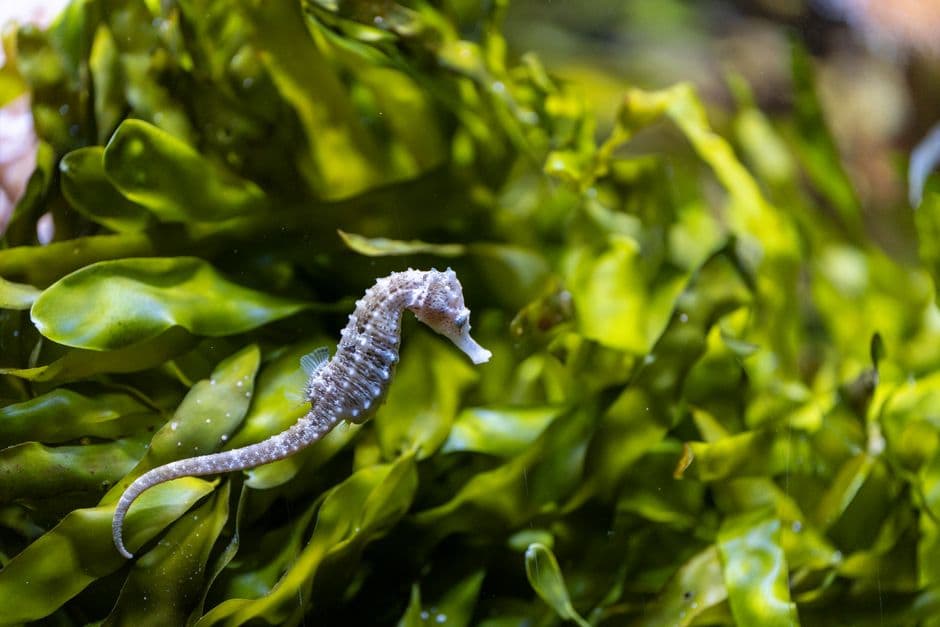
Dorset's seagrass meadows are demonstrating what targeted infrastructure change can achieve. A five-year study shows eco-moorings – anchoring systems designed to avoid seabed damage – have allowed scars caused by traditional anchors to heal almost entirely in Studland Bay. The recovery matters because seagrass meadows support seahorses, eels, and other marine species that depend on undisturbed substrate.
This is a practical win for marine conservation, not speculative. The Guardian reports that seahorse populations have visibly increased as meadow cover returned. The mechanism is simple: conventional anchors drag across the seabed, tearing up seagrass root systems that take years to re-establish. Eco-moorings either hold position without dragging or use systems like weighted buoys that minimise lateral movement.
The study's relevance to ESG sits in two places. First, it proves that operational decisions – where boats anchor – carry measurable ecological consequence, making it a procurement and supply-chain issue for any organisation operating vessels in sensitive waters. Second, it shows biodiversity impact can be reversed within a human planning timescale, which reframes how companies think about marine impact assessment and mitigation.
But the real test is scale. Studland Bay is small, heavily monitored, and likely host to environmentally conscious boat operators already. What happens when eco-moorings face pressure from commercial fishing fleets, ferry routes, or cost-cutting? The study doesn't address uptake barriers or enforcement mechanisms in busier waters.