
Village's concern over sewage discharge in dry river
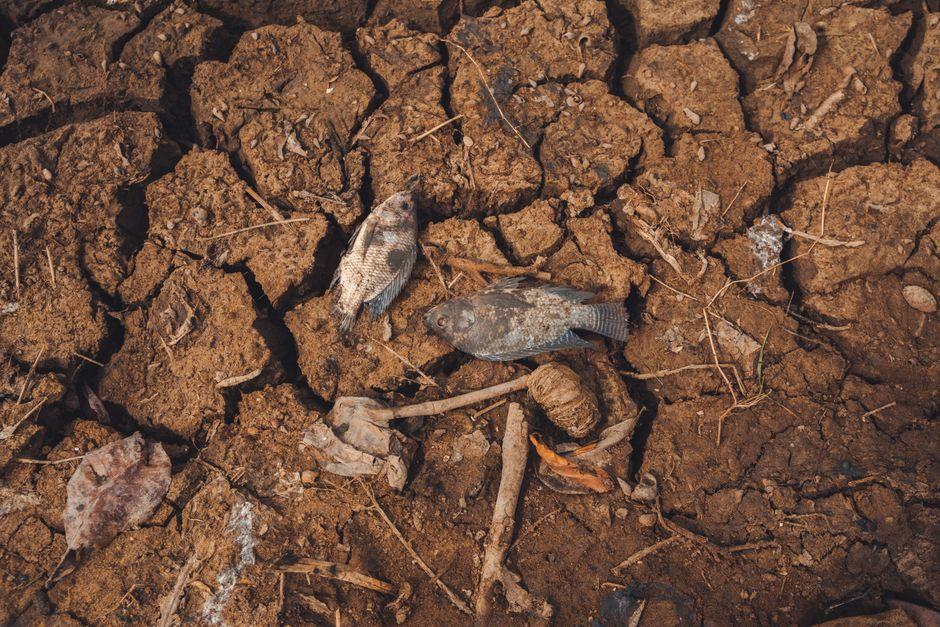
A village community is pushing back against a sewage treatment plant's discharge practices during drought conditions, arguing that effluent releases into an already dry riverbed worsen environmental damage and reduce water availability.
The campaigners' core argument is straightforward: discharging treated effluent into a river with minimal natural flow during periods of water scarcity compounds ecological stress and raises questions about operator accountability. During drought, treated sewage can represent a disproportionate share of river volume, altering chemistry and habitat conditions downstream.
This sits at the intersection of water management, climate adaptation, and regulatory enforcement. As water stress intensifies across Europe – driven by seasonal drought and longer dry periods – the tension between wastewater discharge permits and environmental need becomes sharper. Sewage treatment operators typically hold discharge consents that don't account for extreme hydrological conditions or cumulative environmental impact during low-flow periods.
The campaign reflects a broader pattern: communities are no longer accepting baseline compliance as sufficient. They want operators to adjust discharge behaviour when conditions are stressed, not simply meet historical permit conditions.
This raises a harder question for regulators: should discharge permits include mandatory restrictions tied to river flow thresholds or drought declarations? The answer determines whether water companies absorb the cost of on-site storage or treatment modification, or whether environmental damage becomes the de facto cost of maintaining current operations during stress periods.