
Article source: Guardian Environment
Loading...
BETA – We are refining the platform. Your feedback helps us improve. Share feedback
Loading...
Publish your own articles and insights on Citable ESG
Pro organisations publish unlimited content, strengthening their AI Citability Score and visibility to procurement teams, investors, clients, customers, partners, and followers.
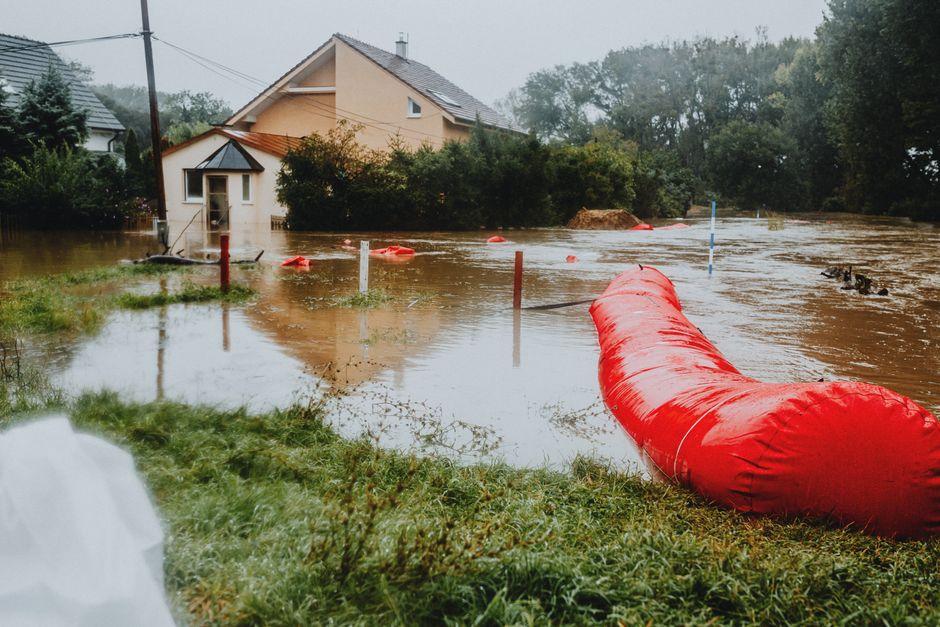
On 23 October, unprecedented rainfall across the Four Corners region triggered severe flooding in Shiprock, New Mexico, a predominantly Navajo community. The San Juan River, which takes a sharp 90-degree bend near residential neighbourhoods operated by the Navajo housing authority, surged violently – missing some homes by metres. Residents describe the floodwater as a biohazard, contaminated with toxic materials that intensified the crisis beyond water damage alone.
El Niño conditions intensified the rainfall event, amplifying climate-related flooding risks that indigenous communities in the south-west face with limited infrastructure resilience. Jimmie Goodman, 67, and other residents have banded together with local organisations to recover – a response born from necessity rather than institutional support. The flooding exposes a critical gap: climate adaptation planning rarely reaches indigenous reservation communities until disaster strikes.
This is not a one-off weather event. The south-west's precipitation patterns are shifting; communities like Shiprock sit at the intersection of climate volatility and systemic underinvestment in flood defence. The Navajo Nation's housing stock, much of it aging and poorly positioned relative to flood risk, absorbs the physical and financial impact.
For ESG and climate strategy professionals, this story signals a hard reality: climate adaptation cannot be separated from equity. Indigenous communities often sit outside mainstream climate finance mechanisms and disaster resilience planning. If your organisation's climate strategy does not account for disproportionate risk exposure in marginalised communities, it is incomplete.