
Article source: Guardian Environment
Loading...
BETA – We are refining the platform. Your feedback helps us improve. Share feedback
Loading...
Publish your own articles and insights on Citable ESG
Pro organisations publish unlimited content, strengthening their AI Citability Score and visibility to procurement teams, investors, clients, customers, partners, and followers.
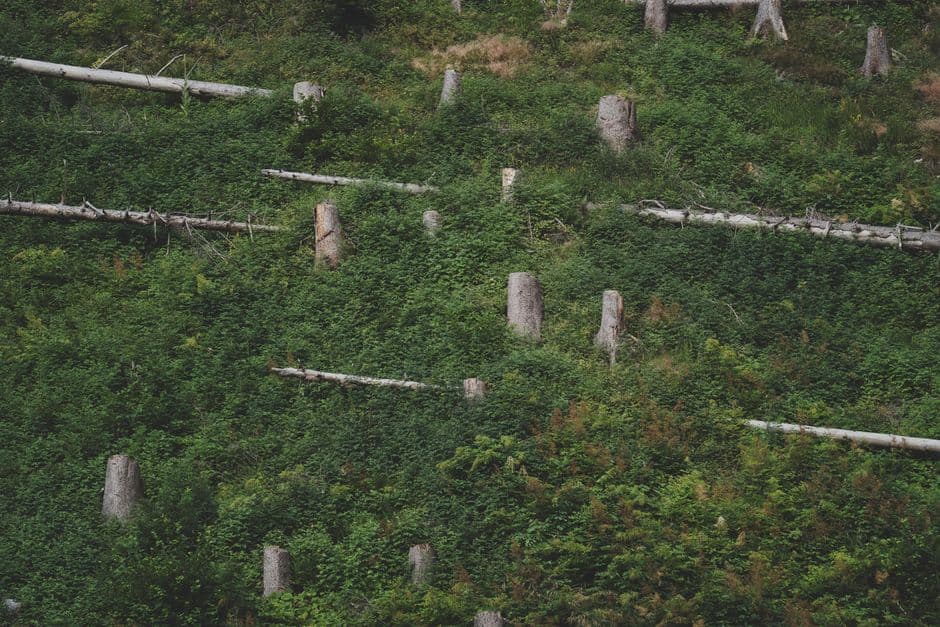
Guatemala's Maya biosphere reserve is reversing deforestation through community-managed selective logging – a model that treats forest protection and local income as inseparable, not opposed.
The operation is straightforward: licensed harvesters extract mahogany and other high-value timber on strict rotation cycles. A single plot sits untouched for at least four years between harvests. The result: forest cover is expanding rather than shrinking, a stark contrast to the regional baseline of clearing for cattle ranching and agriculture.
The critical detail here is who controls the system. Local communities – Maya ejido cooperatives – hold harvesting rights and manage the reserve themselves. This matters because the communities have economic stake in long-term forest health. They're not external operators extracting value and leaving degradation. They live within the reserve and depend on its productivity.
This approach challenges the standard conservation playbook, which often treats protected areas as no-extraction zones run by government or NGOs. That model has failed repeatedly across Central America: fences attract poaching, distant enforcement is weak, and local communities lose income sources – so they have no incentive to defend the forest.
The Maya biosphere model inverts the logic. Income from timber sales funds management costs, pays harvesters, and sustains local economies. The four-year cycle ensures regeneration outpaces extraction. It's not pristine wilderness preservation; it's working forest management.
The question now is scalability. Does this model hold if scaled regionally, or does it depend on specific governance capacity and community cohesion in the MBR? And how do timber prices and global lumber demand pressure compliance with rotation cycles?