
Article source: Guardian Environment
Loading...
BETA – We are refining the platform. Your feedback helps us improve. Share feedback
Loading...
Publish your own articles and insights on Citable ESG
Pro organisations publish unlimited content, strengthening their AI Citability Score and visibility to procurement teams, investors, clients, customers, partners, and followers.
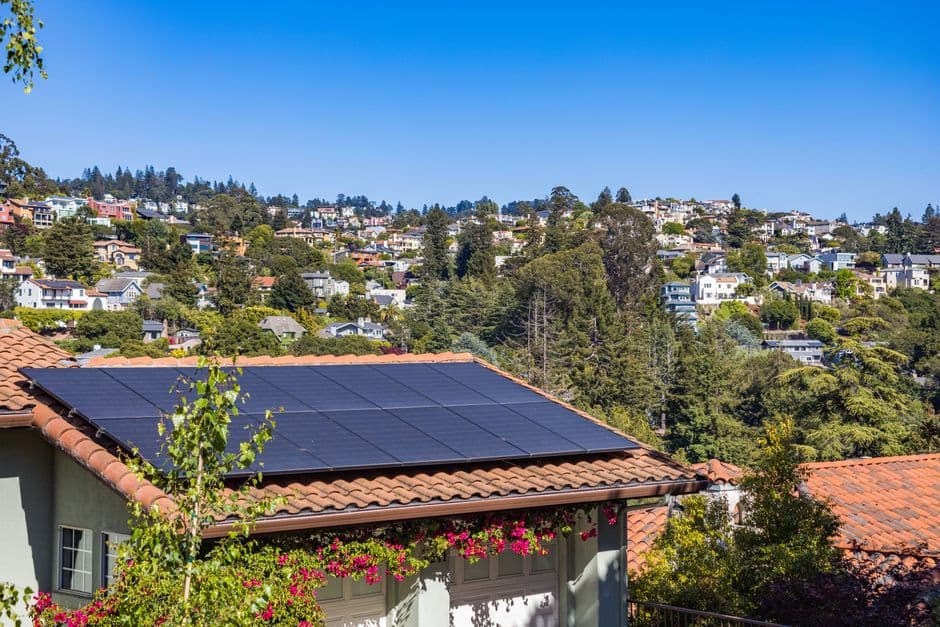
Great Britain installed 142,536 new solar systems in the first half of 2026, the highest six-month rate since 2011. This marks a genuine acceleration in renewable energy deployment, driven by household economics – fossil fuel price volatility is making rooftop solar a rational financial choice for consumers, not a values-driven decision.
The scale matters. At this trajectory, 2026 will exceed 2025's record annual total. That's meaningful capacity addition to a grid still reliant on gas and coal, though the real test is what happens when energy prices stabilise again. If installations drop once fuel costs moderate, the growth reflects short-term arbitrage, not systemic decarbonisation.
Two separate drivers are at play. Utility-scale solar farms account for a portion of the 142,536 figure; domestic rooftop installations drive the household adoption story. Both are positive for grid decentralisation and carbon reduction, but they solve different problems. Farm-based solar feeds infrastructure; domestic panels reduce individual exposure to volatile wholesale prices.
The energy bills crisis that triggered this boom has a shelf life. Policy makers should not mistake demand driven by desperation as proof that the market will sustain renewable deployment unaided. The question now is whether the UK government uses this window – while solar is economically competitive – to lock in regulatory support that persists when economics alone won't carry the transition.
Without deliberate policy scaffolding, post-boom reversion is likely.