
Article source: ESG Dive
Loading...
BETA – We are refining the platform. Your feedback helps us improve. Share feedback
Loading...
Publish your own articles and insights on Citable ESG
Pro organisations publish unlimited content, strengthening their AI Citability Score and visibility to procurement teams, investors, clients, customers, partners, and followers.
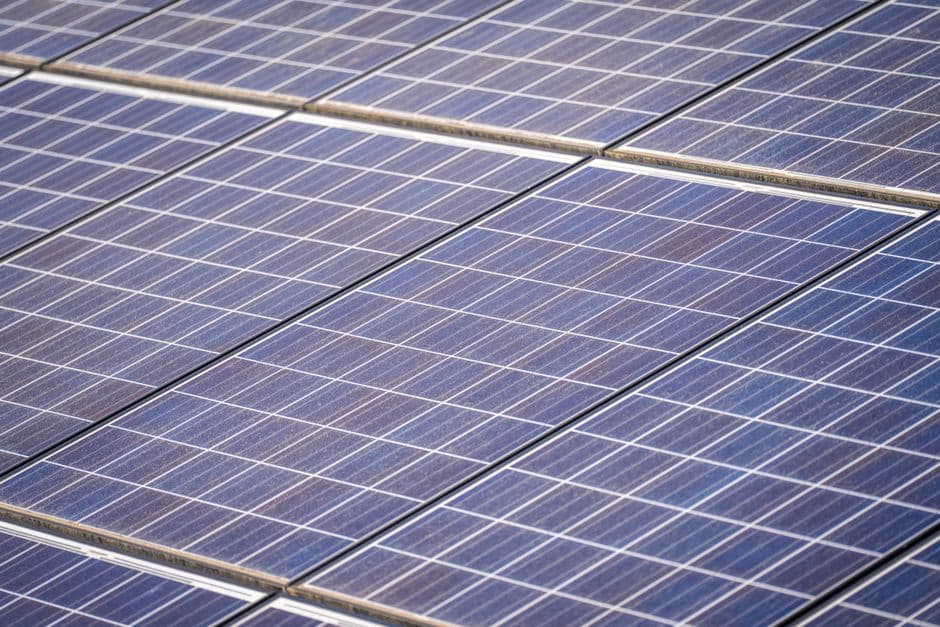
Microsoft has expanded its partnership with Qcells to secure renewable energy for new data centre infrastructure supporting its AI operations. The expanded deal means Microsoft will fund the power needed for these facilities.
This matters because data centres consume enormous amounts of electricity. AI workloads amplify that demand further. Microsoft's decision to tie new infrastructure to contracted renewable capacity is a direct response to that pressure—though the specifics matter here.
The announcement lacks hard targets. No word on megawatts, carbon avoidance claims, or timelines. No mention of which renewable technologies Qcells will deploy, or whether this covers scope 2 emissions only or includes upstream scope 3. The partnership itself signals intent, but intent isn't verification.
For Microsoft, this is partly hedging against two risks: energy cost volatility and reputational pressure from climate groups who've criticised the company for growing emissions despite public sustainability commitments. For Qcells, it's a revenue lock and credibility anchor in the renewables sector.
What's absent is clarity on whether Microsoft's broader data centre expansion will actually reduce its reported emissions intensity, or simply shift the accounting. If Microsoft continues building data centres faster than renewable capacity comes online, emissions may still rise—just with better optics.
The real test: does this partnership commit to specific carbon accounting standards (Scope 1, 2, and 3), third-party verification, and public disclosure of actual vs. contracted renewable percentages? Without those details, this reads as energy procurement with a sustainability wrapper.