
Ineos Starts Up EU’s First Full-scale CO2 Storage Site
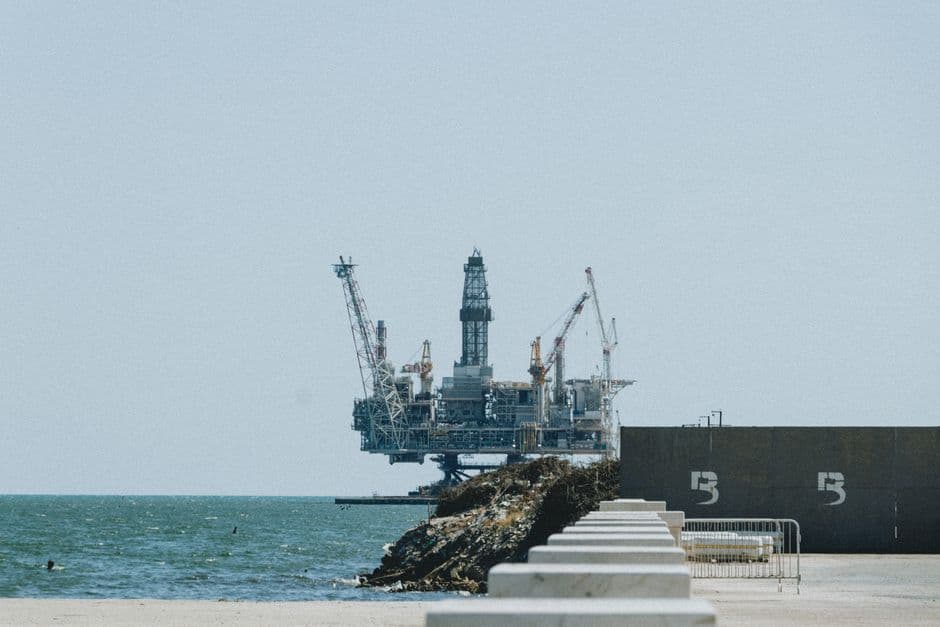
Ineos has opened Project Greensand in the Danish North Sea, operational as the EU's first full-scale CO2 storage facility. The site stores carbon dioxide captured from the chemical manufacturer's production processes directly into depleted oil and gas reservoirs offshore.
This marks a material shift in how European heavy industry plans to handle emissions it cannot yet eliminate through production efficiency alone. Carbon capture and storage (CCS) remains expensive and energy-intensive – the economics depend on sustained policy support, carbon pricing, and avoided regulatory penalties.
Ineos frames the project as central to its net-zero trajectory, though the company has not disclosed the storage capacity, annual volumes, or cost per tonne of CO2 sequestered. Without those specifics, it's difficult to assess whether this is a meaningful decarbonisation pathway or a tactical hedge against tougher scope 1 and 2 emissions standards.
Danemark's geological stability makes it a natural testing ground for CCS – the country has decades of offshore engineering expertise. But the broader question remains: can industrial capture scale fast enough to offset production growth in chemicals, cement, and steel? Project Greensand suggests the sector believes it can't solve this through efficiency alone. Whether regulators will accept CCS as sufficient for net-zero credibility – or demand elimination over storage – remains unsettled.