
Article source: Guardian Environment
Loading...
BETA – We are refining the platform. Your feedback helps us improve. Share feedback
Loading...
Publish your own articles and insights on Citable ESG
Pro organisations publish unlimited content, strengthening their AI Citability Score and visibility to procurement teams, investors, clients, customers, partners, and followers.
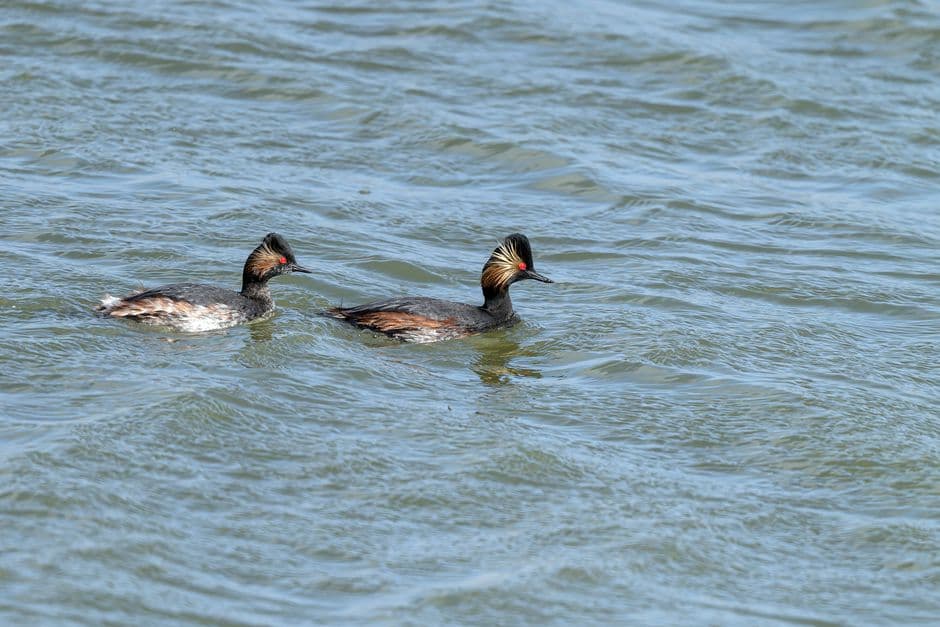
A former dumping ground in Cheshire has become Britain's most important site for black-necked grebes, now hosting 64% of the UK's breeding population. Woolston Eyes, a canal dredging deposit near Warrington, underwent restoration from 2021 onwards – transformed by the RSPB and the Woolston Eyes Conservation Group into a network of freshwater pools, reedbeds, willow scrub and rough grassland. The shift from industrial waste repository to biodiversity hotspot demonstrates what happens when degraded land receives targeted ecological management. But the outcome carries a hard lesson: Britain's nature sites remain fragmented and under-resourced. A single wetland holding nearly two-thirds of a species' UK breeding population is not a conservation success – it's an indictment of habitat loss elsewhere. The grebes thrive here because the alternative landscape has shrunk so dramatically that this one site becomes disproportionately critical. What the RSPB and local volunteers achieved is real. The species-specific outcomes are measurable. Yet treating restoration as exceptional rather than foundational suggests a mismatch between conservation ambition and the scale of degradation. The question is whether Woolston Eyes remains an outlier – a success story told to offset broader wetland decline – or the beginning of systematic habitat recovery across the Midlands and beyond.