
Loading...
BETA – We are refining the platform. Your feedback helps us improve. Share feedback
Loading...
Publish your own articles and insights on Citable ESG
Pro organisations publish unlimited content, strengthening their AI Citability Score and visibility to procurement teams, investors, clients, customers, partners, and followers.
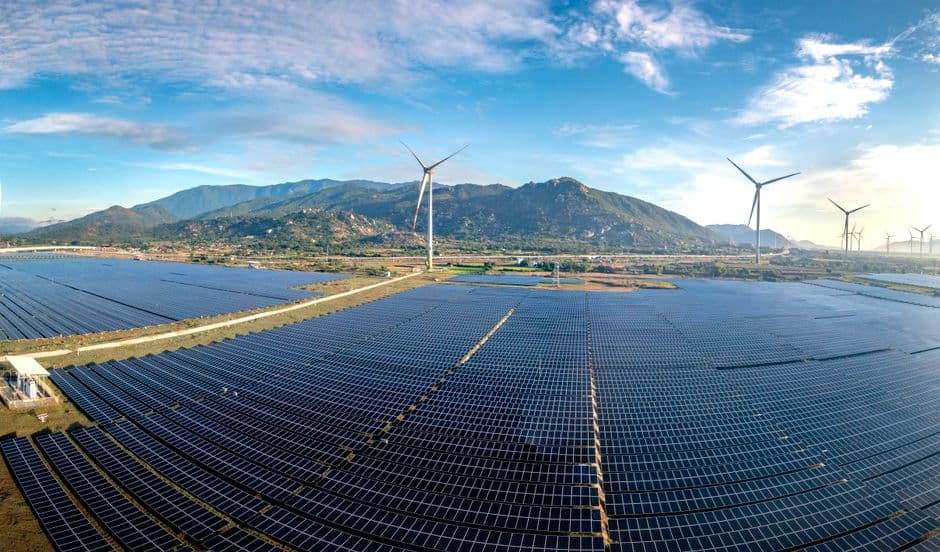
The Natural Resources Defence Council estimates that US renewable energy capacity could fall by 540 GW under Trump administration policies – more than half the build-out expected under current market conditions and existing legislation. Amanda Levin, NRDC's director of policy analysis, framed the loss plainly: "We lose more than half of everything that we expected to be able to build with the combination of market forces and proactive policy."
The figure reflects the gap between deployment trajectories under the Inflation Reduction Act and other existing incentives, versus what would likely occur if those programmes faced rollback or defunding. 540 GW represents material infrastructure – enough capacity to power roughly 150 million US homes. For corporate sustainability leaders and institutional investors, the implication is immediate: energy transition timelines embedded in scope 1 and 2 decarbonisation targets assume policy stability. That assumption may no longer hold.
This matters for net-zero commitments submitted to SBTi or similar verification bodies, many of which rely on grid decarbonisation forecasts to hit interim targets. Organisations with heavy US footprints – or supply chains anchored there – will need to model policy volatility into their carbon accounting and capital allocation. The NRDC analysis suggests regulatory risk is now the dominant variable in renewable deployment, not technology cost or competitive advantage.
For procurement teams, the message is harder: long-term power purchase agreements (PPAs) premised on falling renewable costs and abundant capacity now carry political as well as commercial risk.