
How wildfire smoke is reshaping childhood
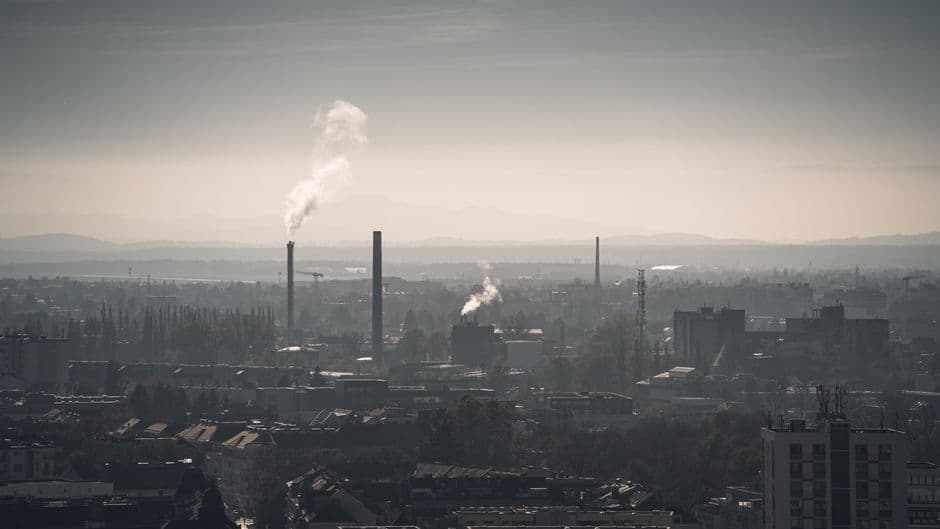
Wildfire smoke across the American West is no longer a seasonal disruption. It's becoming structural. Children in affected regions now spend summers indoors – not by choice, but by air quality necessity.
This reshapes more than just play. Outdoor activity drives physical development, emotional regulation, and social formation. Confine a generation to indoor spaces during formative years, and you alter baseline health expectations, fitness capacity, and psychological resilience before adulthood even begins.
The mechanism is straightforward: particulate matter from wildfires penetrates deep into lung tissue. Children's respiratory systems are still developing; their bodies lack the defensive mechanisms adults have built. Vulnerable populations – low-income families, communities of colour, Indigenous groups – face the highest exposure, because air filtration, air-conditioning, and the option to relocate cluster among the wealthy.
This is a climate justice issue masquerading as a public health bulletin. Smoky summers don't affect all children equally. They concentrate harm where inequality already runs deepest.
The question isn't whether wildfire smoke will persist – climate models suggest it will. The question is whether organisations running schools, parks, and youth services are redesigning programmes around this new constraint, or still planning as if summers can be spent outside. And whether corporate and government actors responsible for emissions reduction are treating this reshaping of childhood as the baseline emergency it actually is.