
Article source: BBC Science & Environment
Loading...
BETA – We are refining the platform. Your feedback helps us improve. Share feedback
Loading...
Publish your own articles and insights on Citable ESG
Pro organisations publish unlimited content, strengthening their AI Citability Score and visibility to procurement teams, investors, clients, customers, partners, and followers.
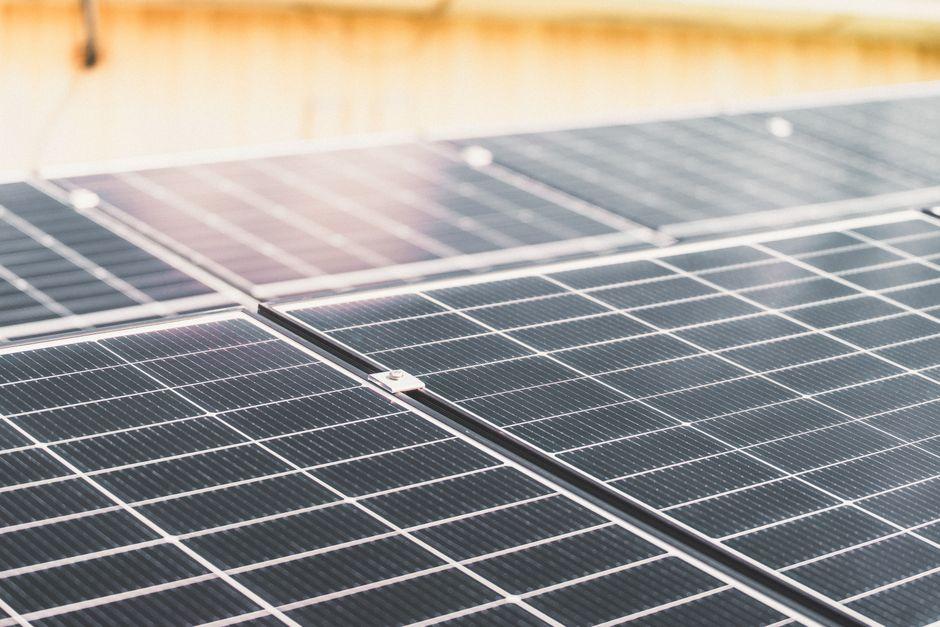
Pakistan has seen its solar electricity share climb from 1% to 28% in recent years, driven almost entirely by households and businesses installing their own panels rather than grid-scale projects. The shift reflects both desperation and pragmatism: persistent blackouts and rising energy costs push citizens toward self-sufficiency, while grid infrastructure hasn't kept pace.
This is a supply-side problem masquerading as a success story. When millions of small generators feed power back into a grid designed for one-way flow, voltage instability, frequency fluctuations, and cascading outages become real risks. Pakistan's national utility hasn't upgraded distribution infrastructure to handle distributed generation at scale. The result: a grid increasingly brittle, unable to absorb the very renewable capacity the country is rapidly installing.
For the energy sector, the lesson is blunt: deployment speed without planning creates liability. Pakistan needed grid modernisation alongside solar uptake – smart metering, voltage regulation, energy storage integration, demand management. Instead, households solved their own problem while the system fell further behind.
The model does reveal something about climate adaptation in emerging markets: people will decentralise energy supply when centralised systems fail them. But that's adaptation, not transition. True decarbonisation requires the hard work – grid hardening, interconnection standards, storage deployment – that nobody gets credit for at ribbon cuttings. Pakistan's 28% solar figure looks impressive until the lights go out because the network can't handle it.