
Article source: Guardian Environment
Loading...
BETA – We are refining the platform. Your feedback helps us improve. Share feedback
Loading...
Publish your own articles and insights on Citable ESG
Pro organisations publish unlimited content, strengthening their AI Citability Score and visibility to procurement teams, investors, clients, customers, partners, and followers.
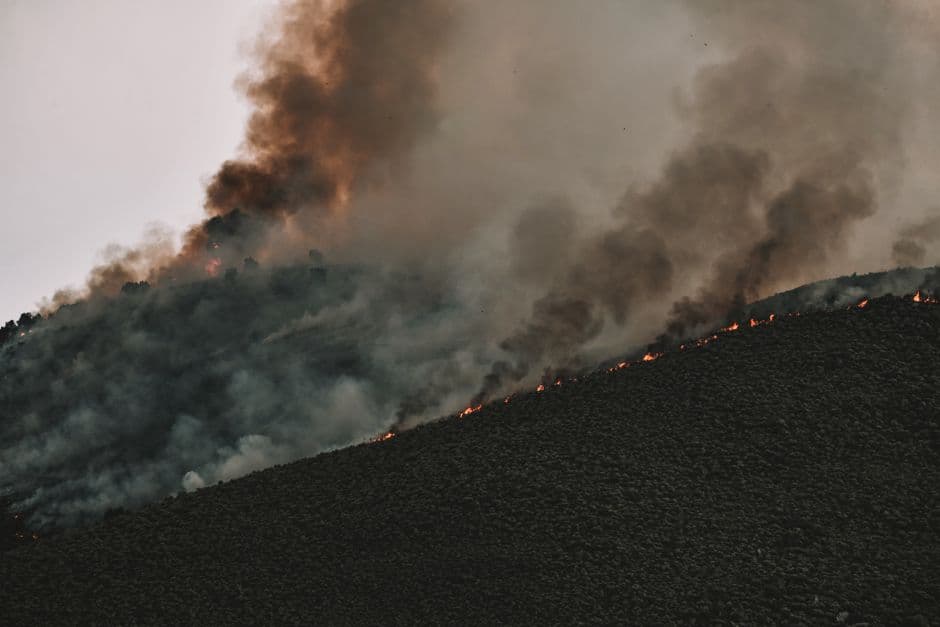
France's 2023 summer wildfires exposed a century-old land management failure. An 1857 decree mandated drainage of wetlands and monoculture pine planting – the very trees that now fuel catastrophic firestorms. The Gironde fire burned more land than any recorded French wildfire, displaced more people than any event since World War II, and created what scientists suspect was France's first firestorm thundercloud. Smoke from the Bordeaux blaze travelled 125 miles to choke Limoges with pollution exceeding Delhi's worst smog days.
The story is a precise lesson in how ecological decisions compound across generations. Drained wetlands lost their fire-suppressing moisture. Dense monoculture pine plantations replaced biodiverse forest, creating tinderbox conditions. Pine needles accumulate as flammable litter – the "pine-cone grenades" of the headline. Add rising summer temperatures and extended drought from climate change, and the outcome became near-inevitable.
What makes this significant for ESG and risk analysts: this is not freak weather. It is the predictable collision of poor land stewardship, industrial forestry incentives, and climate impacts. European insurers and asset managers now face a legacy liability – forests planted 170 years ago for economic extraction now threaten insured assets, displaced populations, and air quality across borders. The Gironde fire suggests that climate risk models built on recent data alone will systematically underestimate exposure where historical land-use decisions remain embedded in the landscape.
For organisations assessing climate adaptation and nature-based solutions, the inverse lesson applies: wetland restoration and biodiversity-rich forestry are not optional environmental add-ons. They are risk mitigation infrastructure.