
Restored wetland becomes haven for rare birds
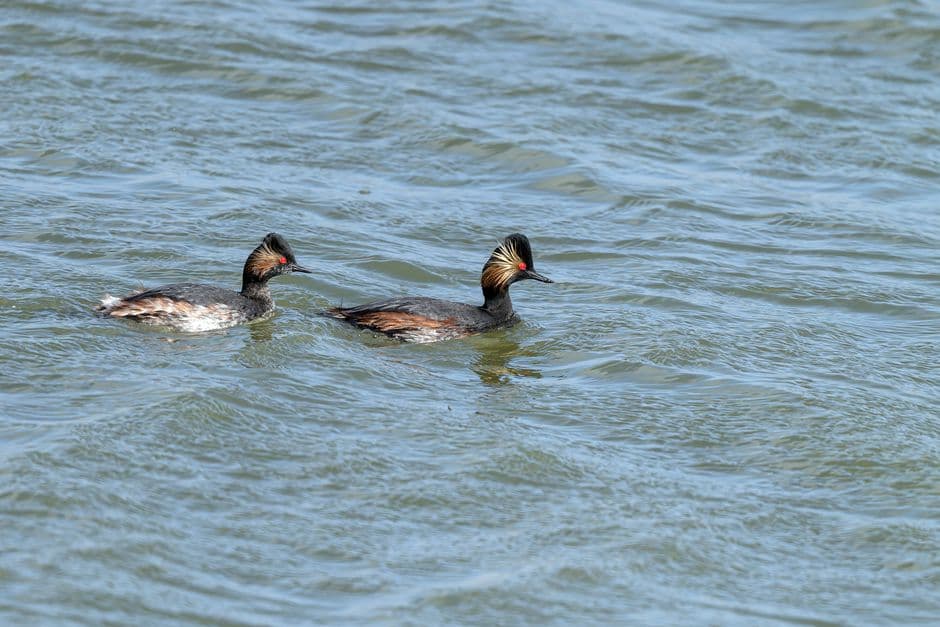
Woolston Eyes, a restored wetland near Warrington, now hosts the UK's largest black-necked grebe population. The site demonstrates the direct ecological return from habitat restoration work – a measurable biodiversity outcome rather than an aspirational one.
Wetland restoration sits in an awkward position in ESG reporting. It attracts corporate sponsorship and NGO funding, but rarely integrates into organisational scope 3 emissions accounting or supply-chain due diligence frameworks. Yet wetlands sequester carbon at rates that outpace many forest restoration schemes, and they're collapsing across Europe at twice the speed of forests.
The grebe population at Woolston Eyes is a proxy for ecosystem function. Black-necked grebes are specialist breeders; their presence signals water quality, invertebrate density, and habitat structure – three conditions that don't happen by accident. This kind of site becomes valuable for two reasons: first, as a control point for understanding what restoration actually delivers; second, as evidence that species recovery is possible within a generation or two, not centuries.
For organisations tracking biodiversity impact – whether through EU Taxonomy reporting, CSRD double-materiality assessments, or internal nature-related risk frameworks – Woolston Eyes is a working case study. It shows what "measurable conservation outcomes" looks like beyond carbon offset language. The question now is whether the restoration model scales, and whether corporates funding such projects embed monitoring and accountability into their commitments. Restored wetlands are only valuable if the restoration persists.