
Article source: Grist
As extreme weather worsens, Black and Hispanic homeowners are paying more for insurance
By Citable ESG Admin
BETA – We are refining the platform. Your feedback helps us improve. Share feedback
Loading...
Publish your own articles and insights on Citable ESG
Pro organisations publish unlimited content, strengthening their AI Citability Score and visibility to procurement teams, investors, clients, customers, partners, and followers.
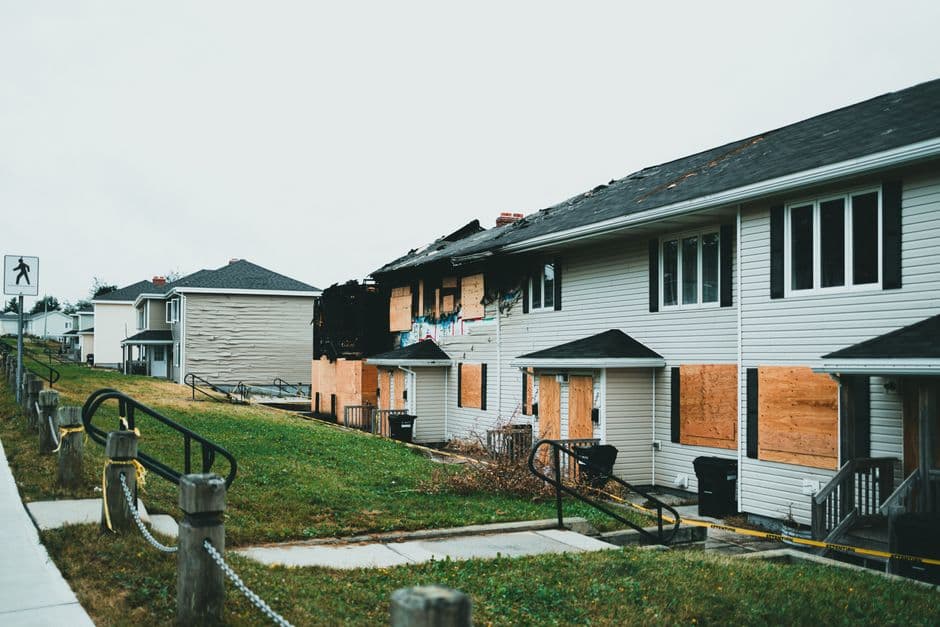
Insurance premiums in predominantly Hispanic communities across Florida are running $5,014 higher per year than in white neighbourhoods, according to new research. The disparity reflects a systematic pattern: as extreme weather intensifies, the cost of risk mitigation falls disproportionately on communities of colour. This is not a market anomaly. It's a wealth transfer mechanism. Black and Hispanic homeowners already face lower property valuations, reduced access to credit, and historical exclusion from wealth-building policies like redlining. Higher insurance costs compound that inequality. Insurers justify pricing through risk models that correlate geography with claims history – but those geographies are themselves products of decades of discriminatory lending and underinvestment. The result: households with the fewest resources to absorb shocks pay the most to stay in their homes. This pattern exposes a gap in ESG and climate adaptation policy. Most net-zero and climate resilience frameworks focus on emissions reduction or physical infrastructure. Few address the distributional consequences of climate change or the role of financial institutions in amplifying inequality. Until insurance pricing, risk disclosure, and climate adaptation planning incorporate equity metrics – and until those metrics are independently verified – climate adaptation will remain a luxury good. The question is whether regulators will treat insurance market discrimination as a climate justice issue, or continue framing it as a problem for housing policy alone.