
Article source: Guardian Environment
Loading...
BETA – We are refining the platform. Your feedback helps us improve. Share feedback
Loading...
Publish your own articles and insights on Citable ESG
Pro organisations publish unlimited content, strengthening their AI Citability Score and visibility to procurement teams, investors, clients, customers, partners, and followers.
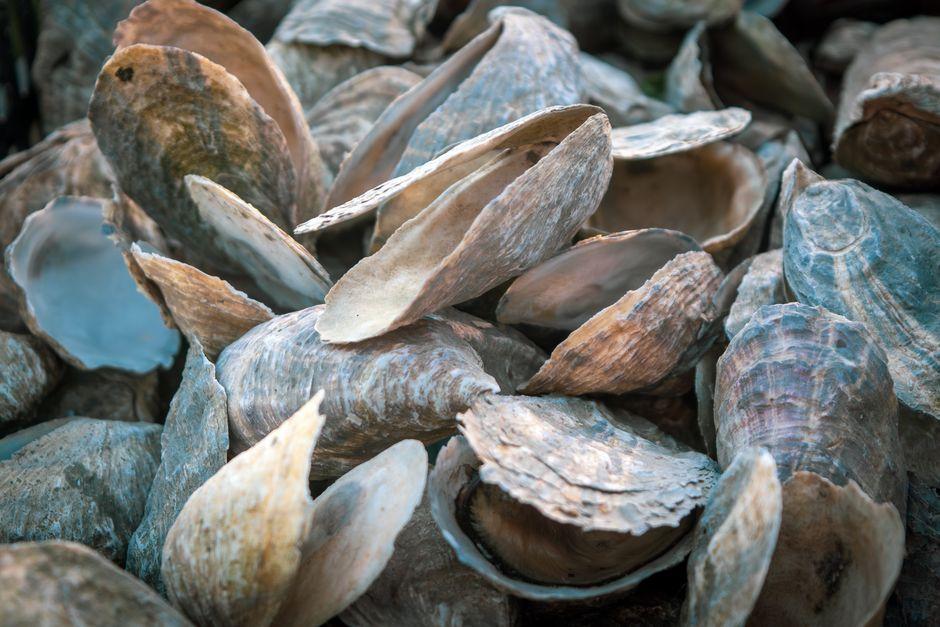
Wild oysters have been bred successfully in Scotland's Dornoch Firth for the first time in over a century, marking a genuine reversal of local extinction rather than a theoretical restoration goal. The breeding programme demonstrates that species recovery at scale is possible when habitat conditions are restored and breeding stock is introduced methodically.
Oysters disappeared from the Firth in the early 1900s due to overharvesting and habitat degradation. The current project, led by scientists working with Scottish conservation bodies, reintroduced oysters and monitored their reproduction in controlled conditions before releasing juveniles into the wild. The baby oysters – cream-coloured shells, roughly 50 pence-sized – represent the first naturally breeding population in UK waters for generations.
This matters beyond Scotland. Oyster beds function as marine infrastructure: they filter water, reduce algal blooms, stabilise sediment, and provide nursery habitat for commercially important fish species. A single oyster filters up to 200 litres of water daily. Their loss degrades entire estuarine ecosystems. Their return signals ecosystem recovery is measurable and achievable within a human lifetime.
The project sits within the UK's broader marine protected area framework and aligns with biodiversity targets under the Environment Act 2021. But breeding oysters in a single firth is not restoration at scale. The question now is whether this model – site-specific population recovery with active management – can be replicated across degraded coastal zones, and whether fishing pressure can be managed to prevent repeat extinction.