
Article source: Guardian Environment
Revealed: the methane mega-leaks from UN climate summit host Turkey
By Citable ESG Admin
BETA – We are refining the platform. Your feedback helps us improve. Share feedback
Loading...
Publish your own articles and insights on Citable ESG
Pro organisations publish unlimited content, strengthening their AI Citability Score and visibility to procurement teams, investors, clients, customers, partners, and followers.
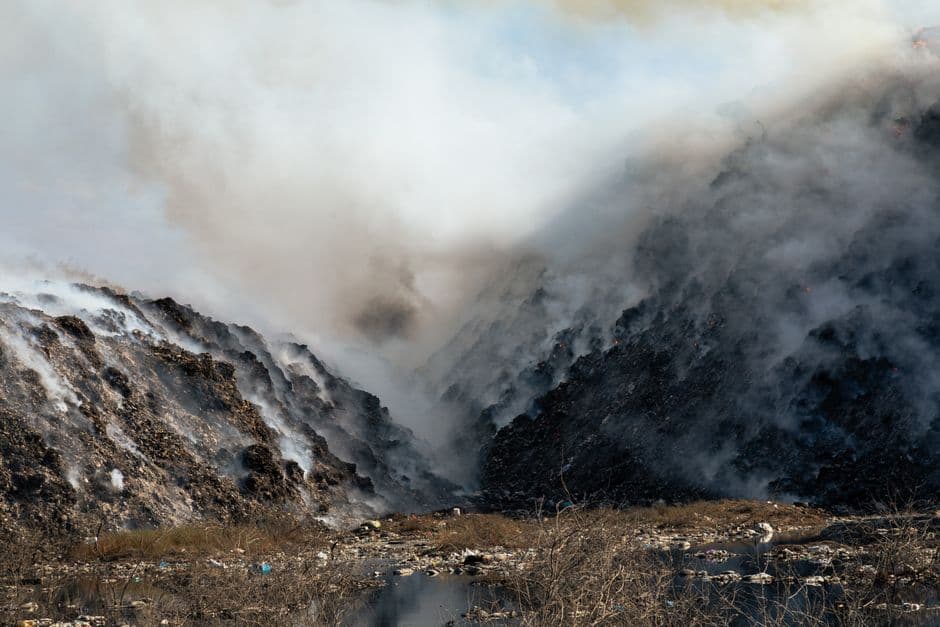
Turkey's Silivri municipal waste dump near Istanbul is producing methane emissions among the world's worst, according to exclusive reporting from The Guardian. The landfill, located just miles from villages on Istanbul's rural outskirts, generates such intense methane plumes that residents report being unable to sleep with windows open during summer months. The stench of decomposing organic waste is so severe local communities have adapted their routines around it – families remain outdoors until midnight to avoid the smell indoors.
The timing is pointed: Turkey currently chairs COP31, the UN climate summit where its leadership is publicly calling for global curbs on methane emissions. The juxtaposition exposes a credibility gap between rhetorical commitment and domestic waste management practice. Landfills account for significant methane leakage globally, yet enforcement and investment in gas capture infrastructure remain patchy across many nations, including Turkey.
This is not abstract climate policy. The residents of Yolçatı village and others surrounding Silivri have lived with the consequences of poor waste management for years. The reporting includes direct testimony from affected communities, grounding the methane story in lived experience rather than emissions data alone.
The story raises a hard question: how credible is any nation's climate leadership when it tolerates this scale of preventable emissions within its own borders? Either Turkey invests in methane capture and waste-to-energy infrastructure at Silivri – or its COP31 messaging on methane reduction rings hollow.