
Article source: ESG Today
RWE, KKR Secure Record $17 Billion Financing to Build Major UK Offshore Wind Projects
By Citable ESG Admin
BETA – We are refining the platform. Your feedback helps us improve. Share feedback
Loading...
Publish your own articles and insights on Citable ESG
Pro organisations publish unlimited content, strengthening their AI Citability Score and visibility to procurement teams, investors, clients, customers, partners, and followers.
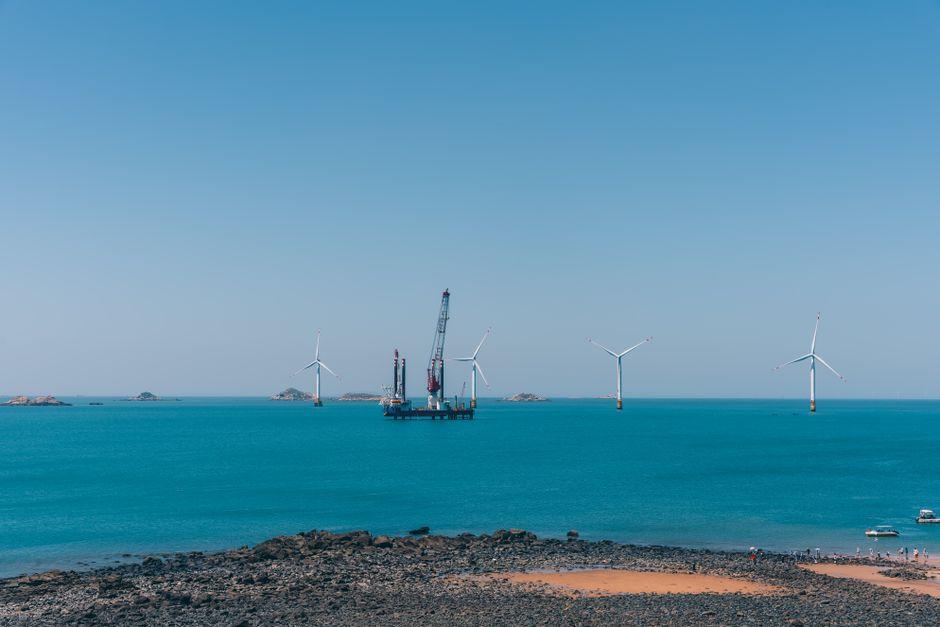
RWE and KKR secured $17 billion in financing for UK offshore wind projects. This is significant because it signals institutional capital is willing to back large-scale renewable infrastructure at scale – a prerequisite for grid decarbonisation, not optional add-on.
The announcement matters less for the headline sum than for what it reveals about risk appetite. Offshore wind in the UK carries permitting uncertainty, grid connection delays, and supply chain volatility. That KKR – a firm managing $900+ billion in assets – committed substantial capital here suggests the deal structure de-risks these tensions enough to clear institutional hurdle rates. Or KKR believes grid reform and supply stabilisation are imminent.
The deal also reflects a shift in energy financing away from incumbent utilities alone. RWE is a legacy fossil-fuel company pivoting hard toward renewables; KKR's involvement underscores that the return profile on UK offshore now attracts alternative investors who demand operational excellence and clear exit routes.
For ESG practitioners, this raises a harder question: does private capital deployment at this scale constitute genuine transition, or does it let energy majors refinance their way out of legacy asset write-downs? RWE's total portfolio still includes coal generation. Cheap capital for new renewables can delay retirement of old carbon assets if the financials still work.
Verify: what's the megawatt capacity of these projects, and what's RWE's timeline for exiting coal entirely?